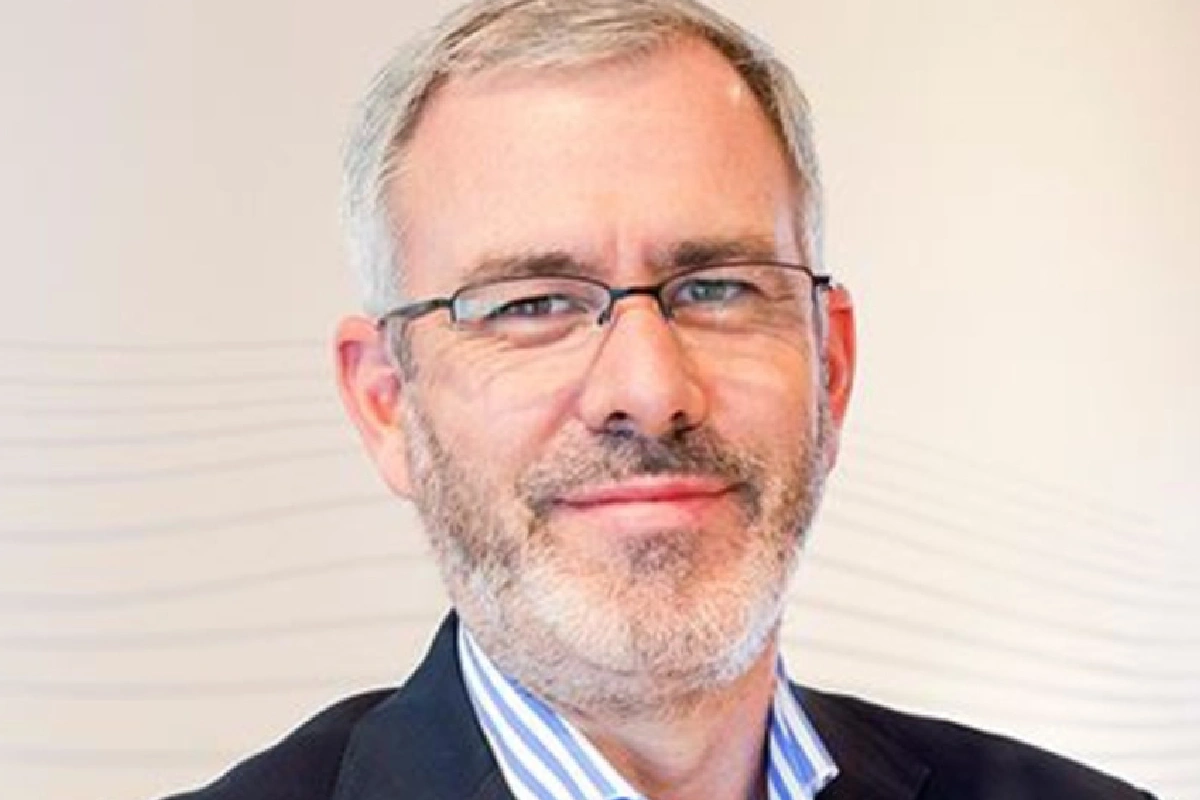
The Allan government has moved decisively to remove Suburban Rail Loop chief executive Frankie Carroll, declining to renew his contract in what amounts to a major reset of Victoria’s most controversial infrastructure project.
Carroll — recruited from Queensland by former Premier Daniel Andrews and paid close to $1 million per year — had become synonymous with the Suburban Rail Loop East (SRL East), the $34.5 billion tunnel stretching from Cheltenham to Box Hill. His remuneration exceeded that of the Prime Minister and surpassed the recommendations of an independent remuneration tribunal by roughly $200,000, intensifying public scrutiny around both the project and its governance.
Suburban Rail Loop Minister Harriet Shing confirmed Carroll’s departure, noting he had informed the government he would step down at the end of his current term.
According to Shing, Carroll oversaw a critical phase of early delivery, including major tunnelling contracts and preparatory works ahead of construction scheduled to accelerate next year. She praised his stability and technical leadership, while announcing that Kevin Devlin — head of the Victorian Infrastructure Delivery Authority and a central figure in the Metro Tunnel and West Gate Tunnel projects — would serve as acting CEO from January 5.
Despite industry respect for Carroll’s direct communication style, senior government sources say Premier Jacinta Allan and others had, in recent months, “gone cold” on the CEO. His travel arrangements between Brisbane and Melbourne had earlier earned him the nickname “FIFO Frankie,” a detail that fed persistent criticism from opponents of the project.
Carroll has held the role since 2021, and his exit comes at a sensitive moment for the SRL East, the first stage of an orbital line encircling Melbourne with six new stations planned at Cheltenham, Clayton, Monash, Glen Waverley, Burwood and Box Hill. The line is expected to anchor high-density development zones and facilitate an estimated 70,000 new homes.
But debate over the project’s economics has intensified. Cost estimates have ballooned, with some analysts forecasting total expenditure could exceed $200 billion across all stages. Shadow Minister for Transport Infrastructure Evan Mulholland described Carroll’s removal as cosmetic, arguing that “Jacinta Allan has sacked the captain, but the ship is still sinking.”
Mulholland labelled the SRL a “$200 billion albatross” and accused the government of diverting billions toward an unnecessary prestige project while Victorians endure deteriorating roads and inadequate public transport.
The Allan government continues to assert that the line is essential for Melbourne’s long-term growth. Prime Minister Anthony Albanese has pledged further federal contributions beyond the existing $2.2 billion commitment, though the state had hoped to secure up to $11.5 billion from the Commonwealth.
With the project’s future still tightly contested, Carroll’s departure may signal more than a leadership change. It may mark the beginning of a deeper reckoning over the true cost, governance, and strategic purpose of the state’s most ambitious rail venture.