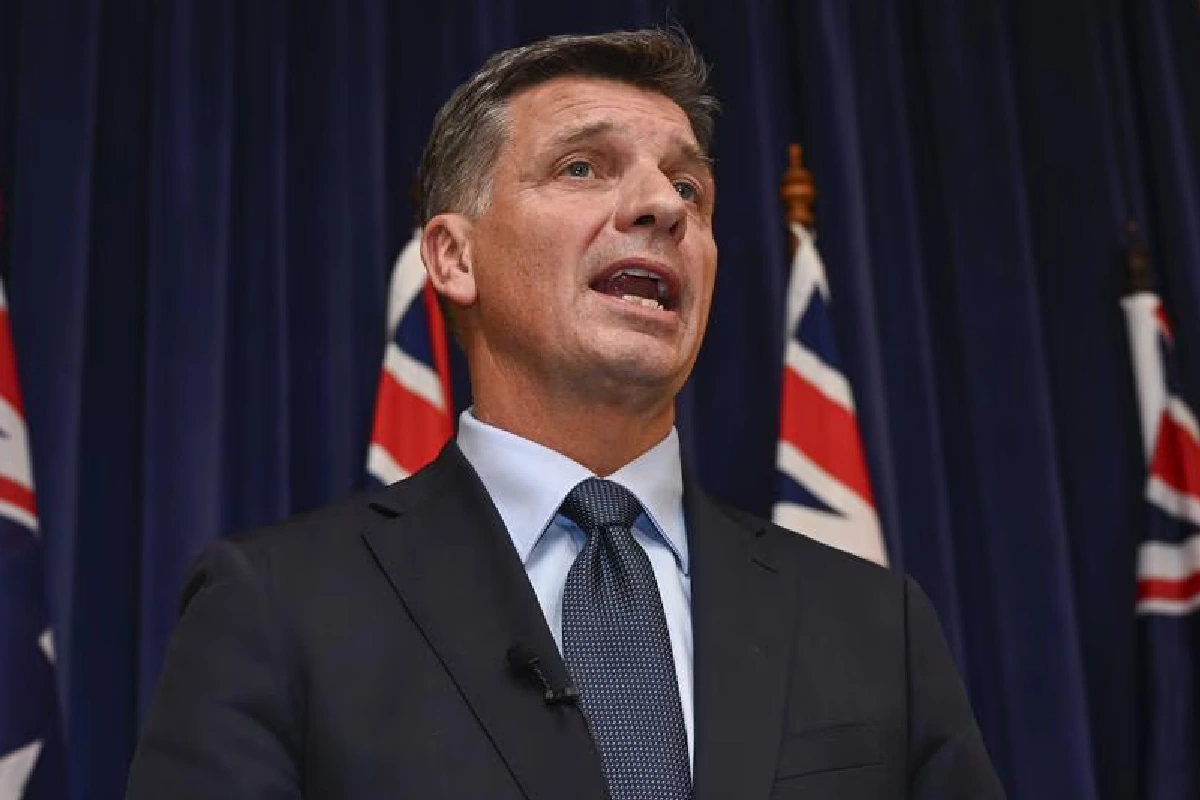
The Opposition Leader, Angus Taylor, has moderated his language regarding the so-called ISIS brides cohort following comments from his home affairs spokesman that children involved pose a potential risk to national security.
The cohort consists of 34 women and children linked to ISIS militants who became trapped in Syria following the terror group’s collapse. Earlier this week, they were released from the al-Roj camp in Syria’s northeast but reportedly had to return due to poor coordination between their relatives and the Syrian government.
“It is truly tragic that children are involved,” Mr Taylor told reporters on Friday. “People have taken children into an ideological movement that promotes violence against innocent people. There’s no proposal to separate them from their mothers, but there are serious questions about radicalisation and the experiences of these children.”
The Opposition’s home affairs spokesman, Senator Jonathan Duniam, argued on ABC radio that teenagers in the cohort should be subject to temporary exclusion orders, restricting their return to Australia. “Anyone being repatriated from this part of the world is a risk to our security,” he said, adding that minors between 14 and 17 may already hold advanced beliefs that require careful consideration.
Labor minister Murray Watt expressed sympathy for the children while reiterating the government’s stance. “It’s a distressing situation created by very poor parental decisions. Our priority remains the safety of Australians, but we do have sympathy for those children,” he said.
The Albanese government has stated it will only fulfill its legal obligations in repatriating the group, such as issuing passports, leaving the cohort largely responsible for arranging their return. At least one woman has had a temporary exclusion order issued. Coalition frontbencher Bridget McKenzie criticized the government’s measures, insisting that the women are “female jihadists” and questioning the adequacy of a single exclusion order.
As the debate continues, both major parties remain cautious, weighing the risks to national security against the humanitarian concerns for children involved in the ISIS brides saga.