Sharp rise in hate and fear across Muslim communities
Australia’s peak Islamic body has warned of a dramatic surge in anti-Muslim hate incidents following the Bondi Beach terror attack, raising fears within Muslim communities of copycat or mass-casualty violence similar to the 2019 Christchurch mosque shootings.
The Australian National Imams Council (ANIC) says it has recorded an almost 200 per cent increase in reported anti-Muslim incidents since December 14, the day two gunmen allegedly opened fire at a Chanukah celebration on Bondi Beach, killing at least 15 people in an ISIS-inspired terrorist attack.
Despite Muslim leaders across the country immediately and unequivocally condemning the attack, ANIC says Australian Muslims are now being targeted for acts of violence they “categorically reject” and are being unfairly associated with extremist ideology.
Vandalism, abuse and desecration of graves
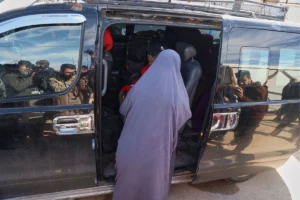
According to ANIC, reported incidents include vandalism of mosques and Islamic schools, online abuse, physical intimidation, and verbal harassment in public spaces. Some of the most disturbing cases involve the desecration of Muslim graves and direct attacks on visibly Muslim women.
The organisation reported hateful graffiti sprayed at the Islamic College of Melbourne, butchered pig heads and dismembered carcasses thrown onto graves at a Muslim cemetery in Narellan, in Sydney’s southwest, and women wearing hijab being spat on, abused and threatened in Perth.
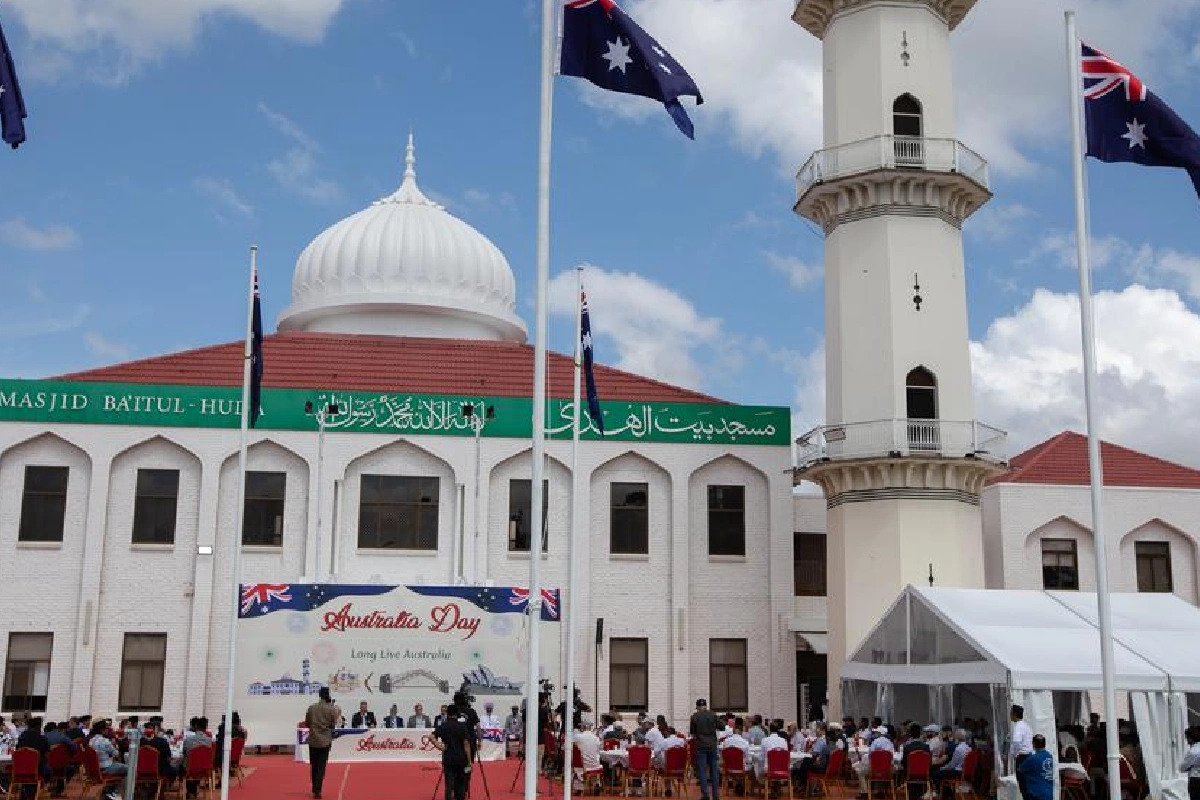
Nine mosques and Islamic centres across Australia have now reported vandalism or serious security incidents requiring police involvement. ANIC says places of worship, schools and community facilities are being forced to operate under heightened security, with congregants fearful of further attacks.
“It is unacceptable that worshippers are living with ongoing fears of a Christchurch-style attack amid rising Islamophobia, explicit threats of violence and hate speech,” ANIC said.
Condemnation of the attack and political concerns
At the time of the Bondi massacre, Islamic leaders condemned the alleged gunmen without qualification. ANIC reiterated that ISIS “does not represent Islam or the Muslim world in any way”, stressing that Australian Muslims were horrified by the attack and stood in solidarity with the Jewish community.
However, ANIC now warns that public discourse following the attack has contributed to the stigmatisation of Muslims. Its support hotline has received what it describes as “distressing calls” from victims of abuse, parents concerned for their children’s safety, and employers worried about the wellbeing of Muslim staff.
Callers have reported escalating harassment, threatening online commentary and growing anxiety that hostility will intensify in the coming weeks. ANIC also criticised what it described as divisive political rhetoric and irresponsible media commentary, warning that such narratives embolden racism and deepen social division.
The council described the backlash against Muslims as “unacceptable and dangerous”, cautioning against what it termed “selective outrage”.
“When some forms of racism are rightly condemned while others are minimised or ignored, division deepens and trust is eroded,” ANIC said. “Australia’s safety and strength depend on rejecting all forms of racism consistently and ensuring dignity, justice and security for every Australian.”