Australia will introduce a nationwide cash mandate requiring major grocery and fuel retailers to accept cash payments from January 1, 2026, in a move aimed at protecting consumers who rely on physical currency for everyday essentials.
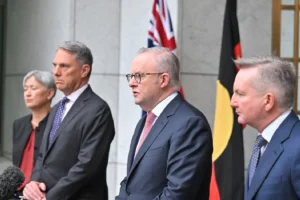
Treasurer Jim Chalmers announced the policy on earlier today (Wednesday), confirming that supermarkets and service stations will be legally required to accept cash for in-person transactions of up to $500. The mandate will apply between 7am and 9pm and is designed to ensure Australians are not excluded as the country moves increasingly toward digital payments.
“This will help to ensure Australians can continue to pay with cash for essentials if they want to,” Chalmers said. “People who depend on cash for groceries and fuel should not be left behind.”
The measure represents a significant intervention as Australia continues its transition toward a largely cashless economy. While digital and card payments now dominate retail transactions, millions of Australians — particularly older people, those in regional areas and vulnerable consumers — still rely heavily on cash.
However, the mandate will not apply universally. Small businesses with an annual turnover of less than $10 million will be exempt, unless they operate under a shared brand or trademark with a larger retailer. Businesses will also be permitted to refuse cash for transactions over $500 or for purchases made outside the specified hours.
The government confirmed that consumers will continue to have the right to pay bills in cash at Australia Post outlets through the Post Billpay service, including for utilities, phone services and council rates.
Treasury officials said the mandate will initially operate for three years, after which it will be formally reviewed to assess its effectiveness and impact on businesses and consumers. The government has ruled out moving toward a fully cashless system while the mandate is in force.
Retail industry groups are expected to seek further clarification on compliance requirements, while consumer advocates have welcomed the move as a safeguard against financial exclusion.