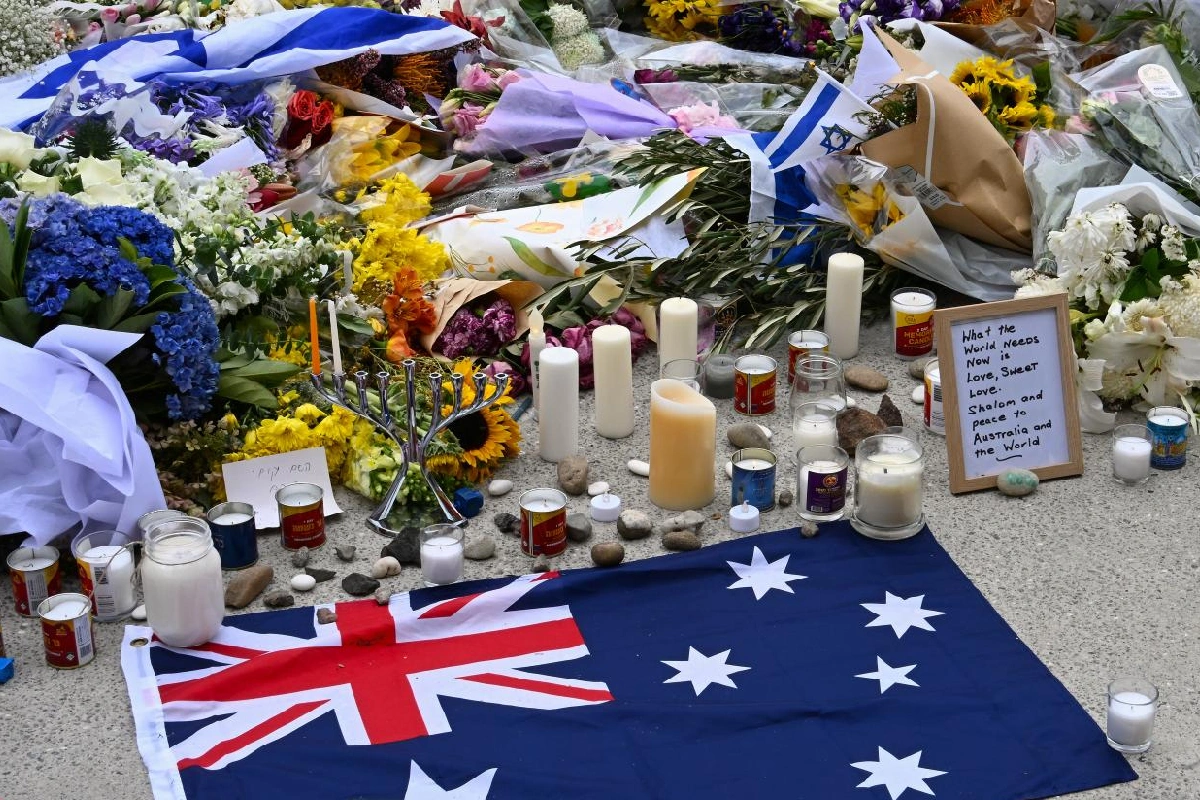
A national trauma and a call for truth
Families of the victims of the Bondi Beach terrorist attack have escalated their campaign for a Commonwealth royal commission, warning that without a full federal inquiry Australia risks repeating the catastrophic failures that led to the country’s deadliest terror atrocity in almost 30 years.
In a powerful open letter to Prime Minister Anthony Albanese, signed by 11 of the 15 victims’ families, relatives argue that only a royal commission with federal authority can uncover the full chain of intelligence, policing and policy breakdowns that preceded the December 14 massacre. Fifteen people were killed when two gunmen opened fire at a Chanukah celebration on Bondi Beach, targeting Jewish families gathered for a religious event and shocking the nation.
The families describe the weeks since the attack as a period of unimaginable grief, marked by repeated funerals and long-term trauma for survivors and witnesses. Among the victims was 10-year-old Matilda, shot dead in front of her sister — a detail repeatedly cited by families as a stark reminder of the human cost of institutional failure.
Alleged failures and ignored warnings
At the centre of the families’ demands is the belief that the attack was not inevitable. The open letter points to what they describe as repeated warnings from Jewish community leaders about rising anti-Semitism, radicalisation and security threats in the lead-up to the attack. Despite those warnings, only two police officers were stationed at the Chanukah gathering — a security arrangement the families have labelled “completely unacceptable and dangerously inadequate”.
“We demand answers and solutions,” the letter states. “We need to know why clear warning signs were ignored, how anti-Semitic hatred and Islamic extremism were allowed to grow unchecked, and why basic security measures failed on a day that should have been about faith, family and celebration.”
The families argue that a NSW-based inquiry cannot compel federal agencies to fully cooperate, nor can it properly scrutinise intelligence-sharing between state and Commonwealth bodies — an issue they believe lies at the heart of the failure.
Government rejection and the Richardson review
Prime Minister Albanese has firmly rejected calls for a Commonwealth royal commission, arguing that such an inquiry would take years and delay urgently needed reforms. Instead, the government has announced a NSW inquiry alongside the Richardson review — a federal examination of national security agencies and inter-agency coordination.
“My heart breaks for the families of the victims,” Albanese said, insisting that his responsibility is to act in the national interest. He said the Richardson review would examine potential gaps in the conduct of agencies including the AFP, ASIO and ASIS, assess what intelligence was available prior to the attack, how information was shared between jurisdictions, what judgments were made, and whether legal or operational constraints limited preventative action.
The review is due to report by April, with the government promising to act swiftly on its recommendations. Home Affairs Minister Tony Burke has defended the decision, arguing that a royal commission could damage national security and social cohesion by publicly amplifying extremist voices.
Political backlash and growing community anger
The government’s stance has triggered fierce backlash from the opposition and sections of the Jewish community. Opposition Leader Sussan Ley accused the Prime Minister of “speaking over victims” and “hiding behind process”, arguing that families feel dismissed and disrespected.
“The families want a Commonwealth royal commission. The Jewish community wants it. Former governors-general, judges, senior lawyers and security experts want it,” Ley said. “This is not about politics — it’s about truth, accountability and safety.”
Nationals leader David Littleproud echoed those sentiments, warning that without a royal commission, federal agencies cannot be compelled to fully disclose evidence. Senior opposition figures have suggested the government fears what a royal commission might reveal about failures to confront Australia’s escalating anti-Semitism crisis.
Rising threats and the road ahead
Concerns have intensified following a series of anti-Semitic incidents after the Bondi attack, including the firebombing of a rabbi’s car in Melbourne on Christmas morning and charges laid in Western Australia against a man accused of praising the attackers, with police seizing weapons and extremist material.
As parliament prepares to be recalled in January, the government plans to introduce tougher hate speech laws, a landmark gun buyback scheme, new offences targeting the radicalisation of children, and expanded visa cancellation powers.
Yet for the families of Bondi, legislation alone is not enough. They insist that without a full Commonwealth royal commission, Australia will never confront the systemic failures that allowed the attack to occur — and may remain dangerously unprepared for the next one.