Patients living with an aggressive form of breast cancer could soon save thousands of dollars every month, with the federal government preparing to cover the cost of a crucial life-extending medication through the Pharmaceutical Benefits Scheme (PBS).
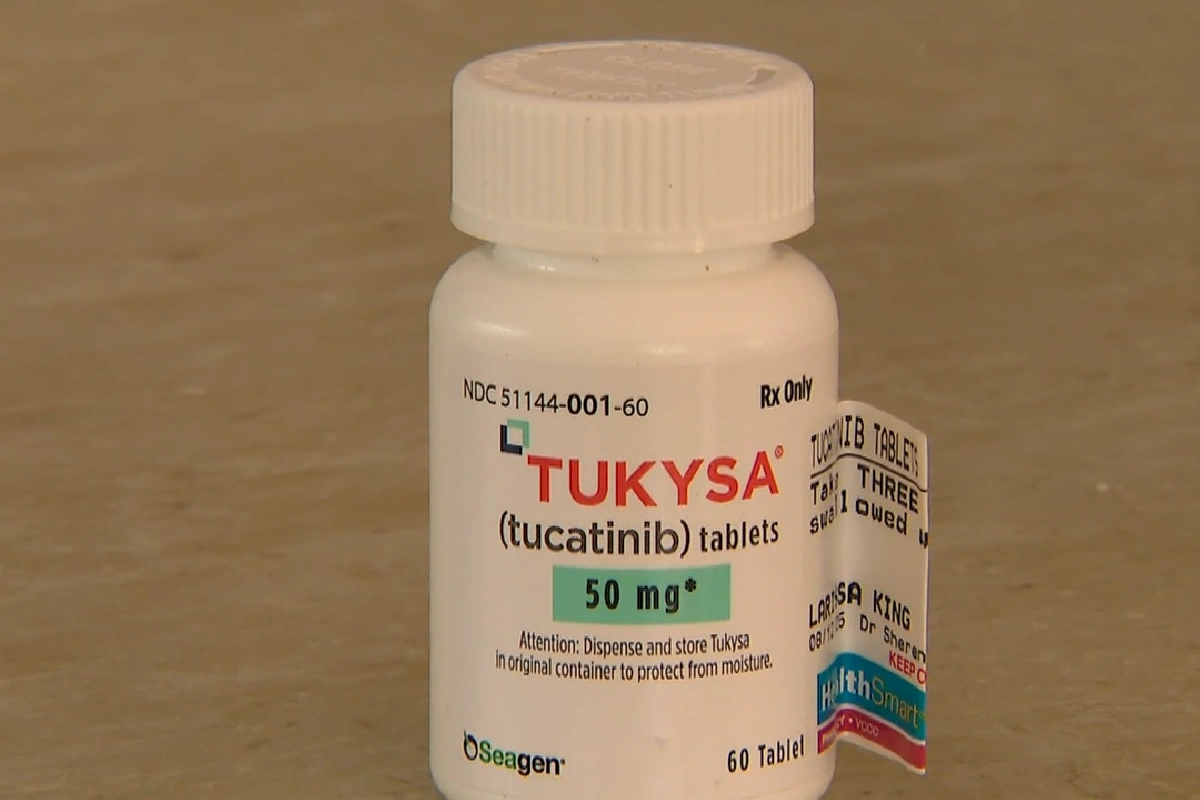
The drug, Tucatinib, is used to treat advanced HER2-positive breast cancer, including cases where the disease has spread to the brain. While it has been available in Australia for several years, its high cost has placed it out of reach for many patients.
For Melbourne mother-of-three Larissa King, the medication has been vital. A single bottle of Tucatinib, which lasts just one month, currently costs her around $4500.
“I couldn’t imagine a future where I had to keep paying that amount regularly,” King said.
Earlier this year, King learned that her cancer had metastasised to her brain. Tucatinib is one of the few drugs capable of slowing the progression of the disease, but the financial burden has been overwhelming.
“It’s been incredibly stressful,” she said. “I’ve used some of my life insurance, and my sister even set up a GoFundMe to help me afford one round of treatment.”
Her daughter, Rose Mackinnon, said the cost of the drug was shocking.
“It’s honestly insane that people have to pay that much just to live with a condition they never asked for,” she said.
The federal government has now moved to list Tucatinib on the PBS, a step that would reduce the monthly cost for patients to about $35. Advocacy groups say the change could be life-changing for women facing impossible choices between their health and their finances.
“These patients are literally deciding whether they can afford to extend their lives,” said Kirsten Pilatti, CEO of Breast Cancer Network Australia.
Negotiations between the government and the pharmaceutical company are still ongoing, meaning there is no confirmed date for when the subsidy will take effect.
For King, however, the announcement offers hope.
“It will buy me more time with my family,” she said. “I want to be there to see my children grow up and follow their dreams.”
Mackinnon urged pharmaceutical companies to act quickly.
“I wish they would think about the relief and joy this subsidy brings,” she said. “It gives families hope — and that’s priceless.”