Speculation is intensifying that one of Australia’s most controversial tax concessions, the capital gains tax (CGT) discount, may undergo significant reform as a central feature of this year’s federal budget.
Senior government ministers have stopped short of ruling out any changes, following days of widespread reports suggesting the $23 billion annual tax break could be overhauled.
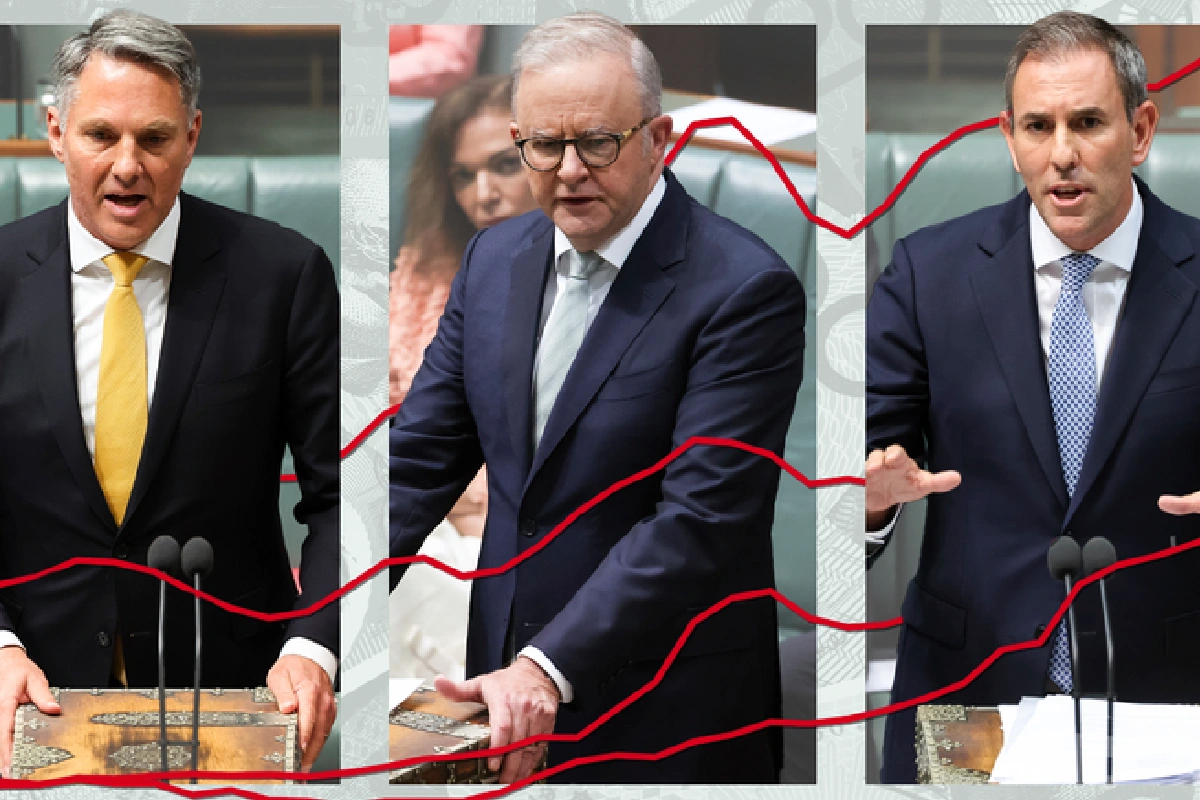
Under Prime Minister Anthony Albanese, the Labor Party has historically been reluctant to alter the CGT discount, mindful of its previous failed attempt during the 2019 election. However, increasing housing unaffordability for younger Australians, ongoing structural deficits in the federal budget, and growing intergenerational inequality have brought renewed attention to the policy. Treasurer Jim Chalmers has highlighted the necessity of addressing these challenges, suggesting that reform may be imminent.
The capital gains tax discount has long been a political flashpoint. Initially introduced in 1999 under the Howard government, the policy allows property and other investors to sell an asset held for at least a year and be taxed on only 50% of the profit. While widely popular among investors, the CGT discount is seen as contributing to skyrocketing property prices and limiting affordability, particularly for first-time buyers.
Fresh developments include a Greens-led Senate inquiry that has received dozens of submissions and is scheduled to report next month, as well as reports first published by the Australian Financial Review indicating that the government is actively considering changes. Labor national secretary Paul Erickson hinted that the May 12 budget could contain significant and ambitious reform measures.
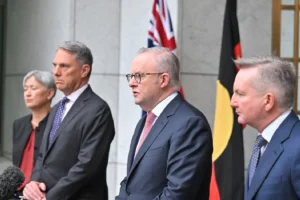
Deputy Prime Minister Richard Marles has indicated that while the government’s housing agenda remains unchanged, he did not categorically rule out alterations to the CGT discount. This ambiguity has fueled speculation that policy adjustments could be forthcoming, particularly in light of Labor’s need to increase housing supply and improve affordability.
Parliamentary Budget Office modelling conducted in early 2024 examined five potential scenarios for scaling back both negative gearing and the CGT discount for property, including “grandfathering” provisions to protect existing investors. Results suggested that reform could save the federal budget between $15.6 billion and $59.9 billion over the next decade, while potentially making housing more accessible. Leading economists, including former Treasury secretary Ken Henry, Saul Eslake, and Richard Holden, have also endorsed various reforms to the CGT discount.
If pursued, the government is likely to navigate parliamentary hurdles successfully. Labor holds sufficient numbers to pass any legislation through the lower house and, with the support of the Greens and independent senators such as Pocock and Lambie, could secure approval in the Senate. Advocates argue that reform would not fully resolve housing affordability, but it would contribute to increasing supply and easing pressures on younger Australians entering the property market.
With the federal budget approaching, all eyes are on Canberra to see whether this $23 billion tax concession will finally be reformed, addressing both economic pressures and the growing housing crisis that affects a generation of Australians.