The Country Fire Authority’s long-delayed 2025–26 annual report has revealed a $50.5 million operating deficit, intensifying debate over whether recent government funding increases are sufficient to maintain frontline firefighting capability during increasingly severe bushfire seasons.
The report, tabled in Victorian Parliament on Tuesday, confirms that government funding to the CFA rose by $21.8 million in the past financial year—the first increase since 2021. However, it also shows that the organisation’s total expenditure climbed to $529.2 million, far exceeding total revenue of $478.7 million.
The deficit follows a $74.5 million shortfall recorded in 2023–24, marking the CFA’s second consecutive deficit and its first sustained period of financial losses since 2016.
The release of the report comes amid a public dispute between the Victorian Government and the Parliamentary Budget Office (PBO), which previously concluded that CFA funding had steadily declined in real terms. Premier Jacinta Allan had criticised the PBO’s findings, arguing they were incomplete without access to the latest financial data.
However, the annual report confirms that total government funding fell from $373.7 million in 2020–21 to $322.6 million in 2023–24, a reduction of $50.7 million. While funding rebounded to $361.3 million in 2024–25, it remains below earlier levels when adjusted for inflation.
Premier Allan said the report demonstrated the government’s commitment to the CFA, stating that it showed “in black and white” that funding and resources had increased year on year. She accused the Opposition of running a “campaign of misinformation” during a time when communities were recovering from devastating bushfires.
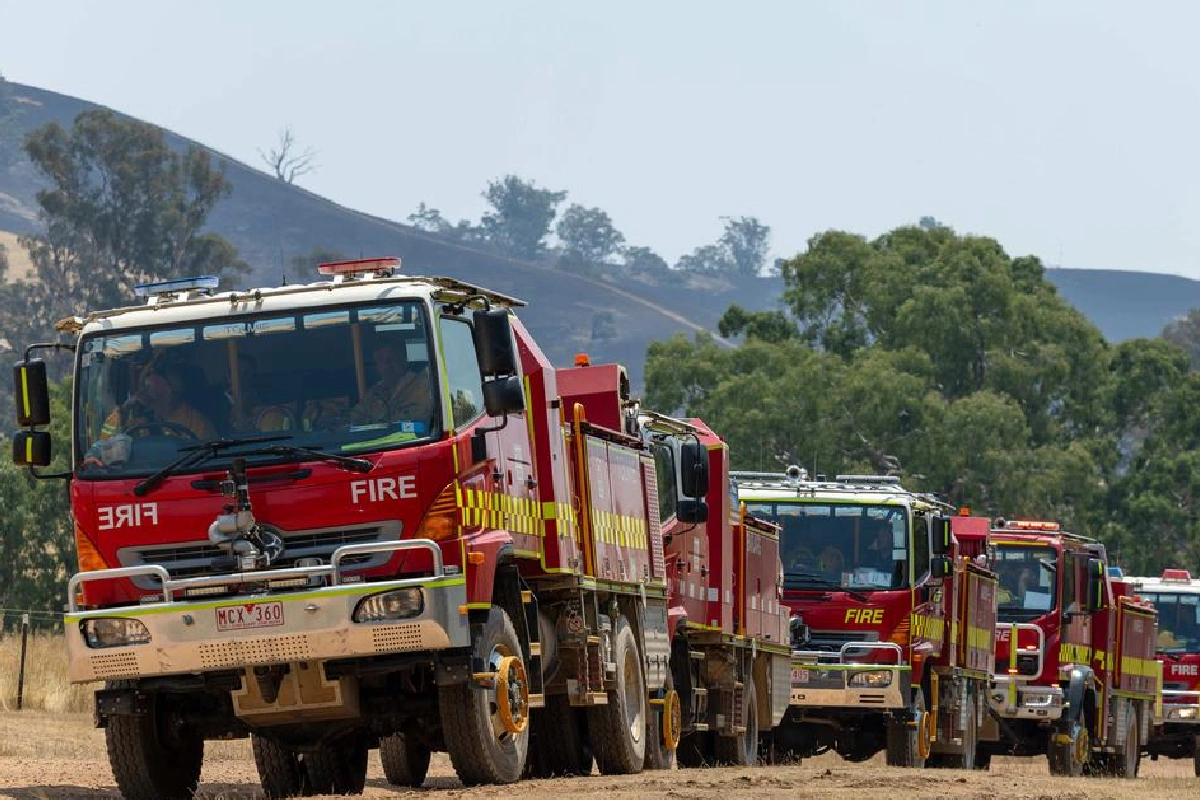
The funding controversy has exposed growing tension between CFA leadership and frontline volunteers. CFA Chief Officer Greg Leach and the board last week rejected claims that the organisation was underfunded or ill-prepared for the fire season. However, many volunteers have voiced concerns about aging equipment, vehicle safety, and declining operational capacity.
Shadow Emergency Services Minister Danny O’Brien said the report contradicted government claims, arguing that CFA funding had been cut by $55 million in real terms since 2020. He also linked declining volunteer numbers to what he described as inadequate support from the government.
Premier Allan rejected those claims, insisting that volunteers had been consulted on investment priorities. She acknowledged that the CFA fleet required upgrading but pointed to the deployment of 95 new firefighting appliances. Addressing safety concerns raised by volunteers, she maintained that all vehicles currently in service had been assessed as safe and fit for operational duty.
As bushfire seasons become more intense and costly, the report has reignited questions about the sustainability of CFA funding and whether financial pressures could undermine the effectiveness of one of Victoria’s most critical emergency services.