More than 1,300 business leaders and industry organisations across Europe have issued an urgent appeal to Brussels. European industry warns sky-high energy costs are crushing competitiveness, warning that soaring energy prices and carbon charges are rapidly eroding the EU’s global competitiveness.
Their intervention comes as Belgium hosts a two-day high-level summit focused on revitalising European industry, with executives calling for immediate action rather than long-term promises.
In a joint declaration, industry representatives stressed that Europe’s energy costs are now simply too high to compete internationally. They argued that prices are being driven not only by market conditions, but also by regulatory burdens layered on top.
Several executives told European media that electricity prices must fall back to pre-2021 levels of around €44 per megawatt-hour, compared with today’s €80–100 range.
European Commission President Ursula von der Leyen told delegates that the bloc is “well positioned” to reduce costs, pointing to planned upgrades of electricity grids and expanded offshore wind projects. Industry leaders, however, say such measures will take years to materialise — time many sectors simply do not have.
“The chemical industry doesn’t have a decade to wait,” said Peter Huntsman, CEO of Huntsman Corporation, highlighting the urgency of the situation.
Energy prices across Europe surged after the EU imposed sanctions on Russia over the Ukraine conflict, replacing cheaper pipeline gas with more expensive LNG imports while accelerating the shift to renewables.
Carbon pricing is also a major concern. Under the EU Emissions Trading System, companies pay roughly €80 per tonne of carbon — far higher than China’s €9 or South Korea’s €7 — placing European firms at a severe disadvantage.
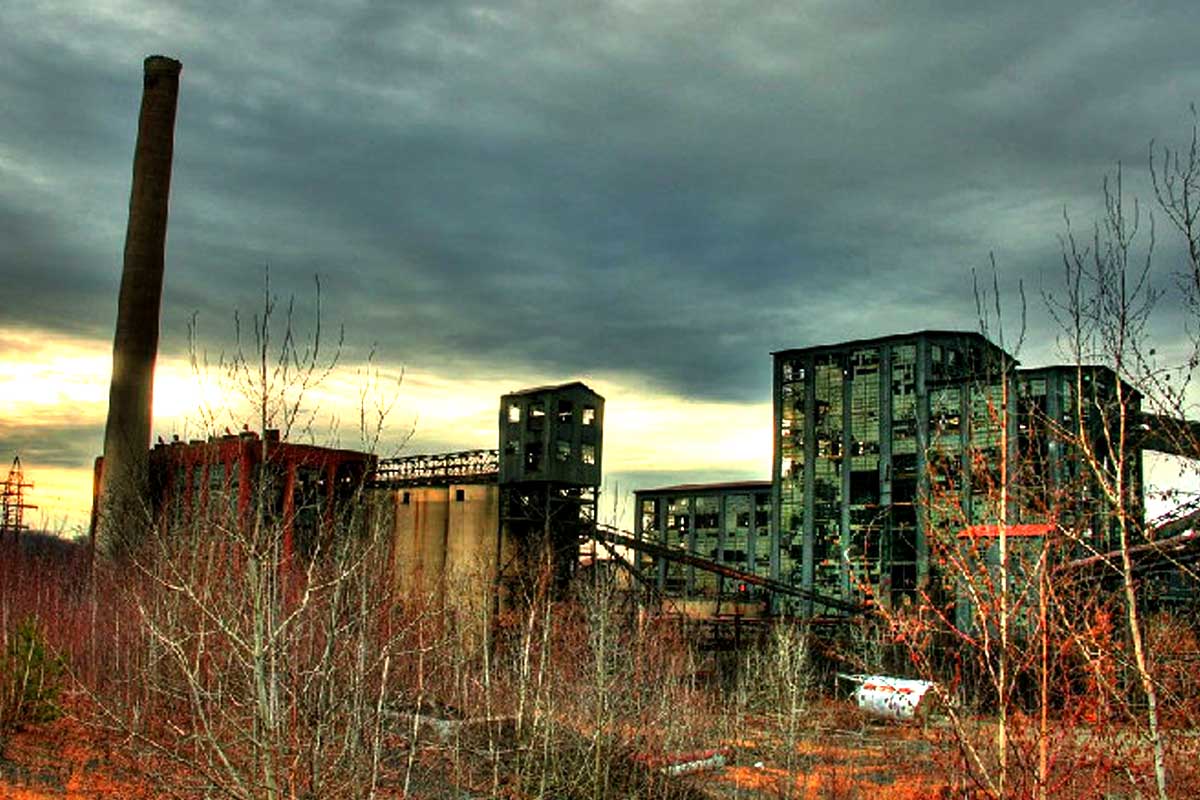
The impact is already visible. Since 2023, more than 20 large chemical plants have shut down across Europe, costing around 30,000 jobs. Investment in the sector collapsed by over 80% in 2025, while companies such as BASF have redirected major spending to China, where production costs are lower.
Industry groups warn that without swift intervention to cut energy and carbon costs, Europe risks accelerating deindustrialisation — and losing its place in the global economic race.