Fresh questions are being raised about the expenses federal politicians are entitled to claim, after revelations that key rules governing travel allowances were altered just weeks before the last federal election.
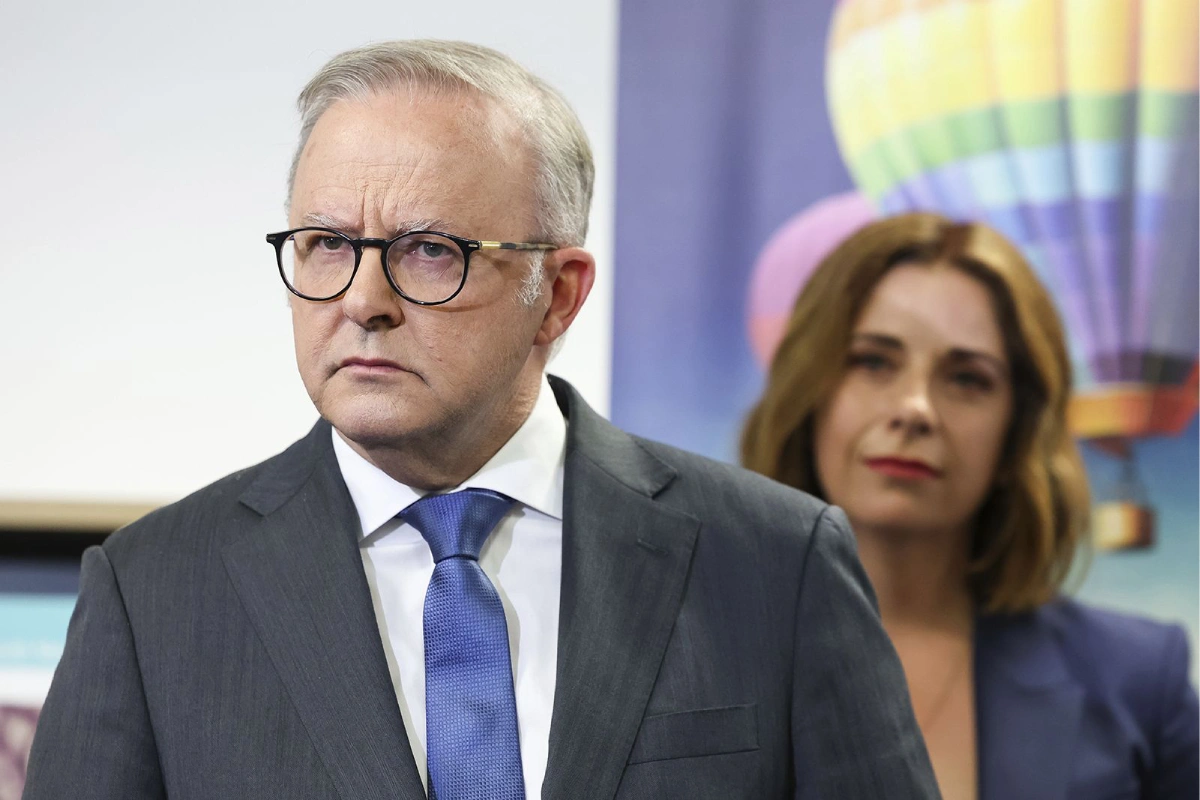
While Prime Minister Anthony Albanese said this week that the framework for politicians’ travel expenses was established by the previous Coalition government, official documents show that Labor’s Special Minister of State, Don Farrell, made a change to the rules on February 12 — shortly before the election was called.
The amendment affected how “party political duties” are defined, effectively broadening the scope of activities for which politicians may be able to bill taxpayers when travelling. Critics argue the change risks blurring the line between legitimate parliamentary business and political campaigning.
Independent Senator David Pocock described the move as unacceptable, saying it undermines public trust.
“It’s outrageous to change the rules so that the taxpayer can pay for campaigning and political party events,” Senator Pocock said. “Clearly the rules are not in line with community expectations, and they need to be.”
Energy Minister Chris Bowen rejected claims the changes expanded entitlements, insisting the amendment was merely a clarification.
“My understanding is that that change was simply a clarification of the rules to make them simpler,” Bowen said, adding that “there was no change to what is allowed or not allowed.”
Further controversy has emerged over a long-promised review of political expenses, which was due to take place this year but has been postponed until 2027. At the time, the government cited disruption caused by the federal election as the reason for the two-year delay.
The Centre for Public Integrity has called for urgent reform. Executive director Dr Catherine Williams said the current system lacks transparency and public confidence.
“It’s clear that the rules need to be reviewed so that members of parliament and the public can have confidence that when taxpayer money is being spent on parliamentarians’ travel, it’s meeting community expectations,” she said.
Prime Minister Albanese has since confirmed he is seeking advice from the expenses watchdog on the existing legislation.
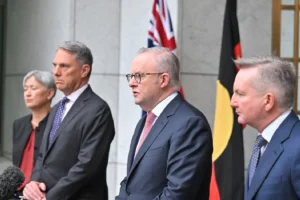
The issue resurfaced as Minister Bowen fronted media to announce changes to the government’s home battery subsidy scheme. Bowen revealed the $2.3 billion program had exceeded expectations and would likely be exhausted within a year, prompting an additional $5 billion injection.
However, from May next year, only smaller batteries will qualify for the full 30 per cent discount, with reduced subsidies for larger systems to ensure the scheme remains “fair and sustainable”. Electric vehicle benefits are also expected to be reviewed.