Iran has agreed to reopen the Strait of Hormuz for two weeks, guaranteeing safe maritime passage under coordination with its armed forces.
Iranian Foreign Minister Abbas Araghchi stated the arrangement would allow shipping traffic to resume while diplomatic efforts proceed.
Ceasefire Deal and Strait of Hormuz Reopening
The agreement includes the launch of formal talks between Iran and the United States, scheduled to begin Friday in Islamabad, Pakistan. The negotiations are expected to last two weeks, with the possibility of extension by mutual agreement.
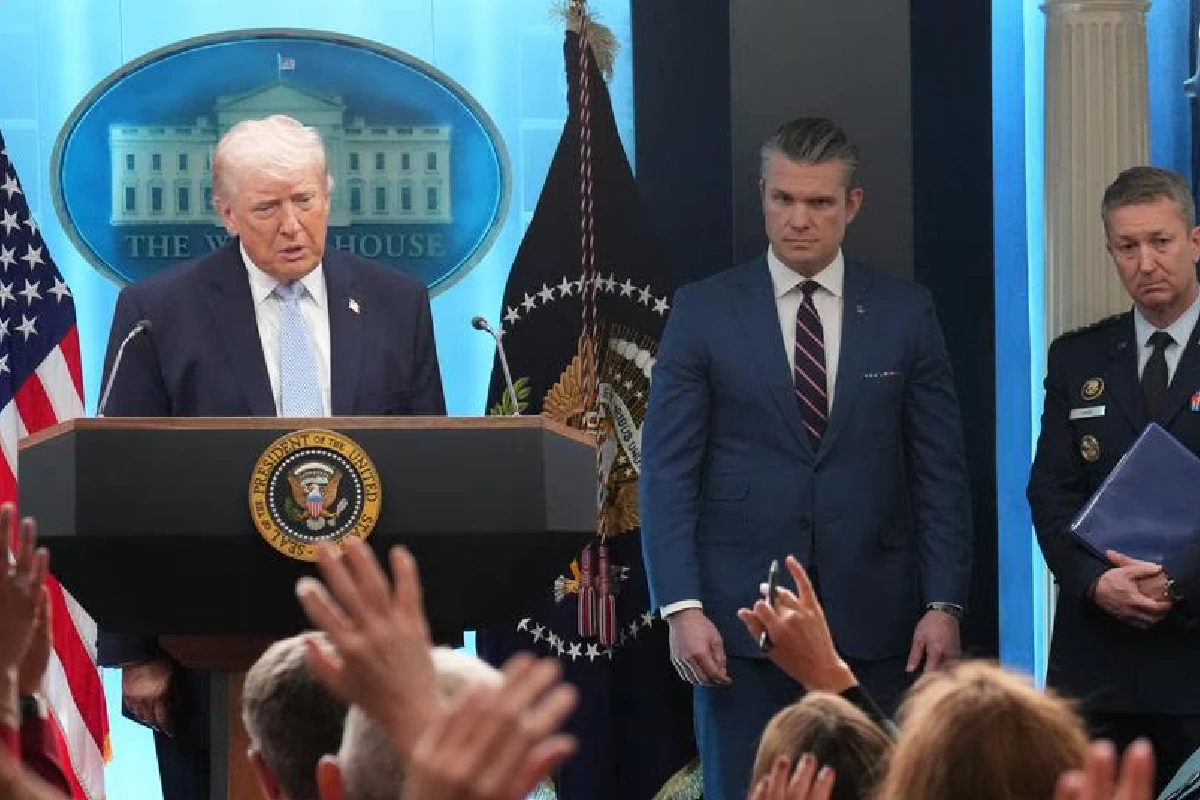
US President Donald Trump agreed to suspend a planned bombing campaign against Iran shortly before a deadline, following discussions with Pakistan’s Prime Minister Shehbaz Sharif and military leadership. Trump described the arrangement as a “double-sided ceasefire,” contingent on the immediate and safe reopening of the strategic waterway.
Iran’s Conditions and Negotiation Framework
Tehran has outlined a 10-point plan as the basis for ending the conflict. The proposal includes recognition of Iran’s uranium enrichment program, the lifting of all sanctions, release of frozen Iranian assets, and a binding United Nations Security Council resolution.
Iran is also seeking full control over the Strait of Hormuz, the withdrawal of US military forces from the Middle East, and an end to attacks on Iranian territory and its regional allies.
Continued Conflict Activity Despite Ceasefire
Despite the ceasefire announcement, military activity has continued in parts of the region. Israeli forces have reportedly maintained strikes inside Iran, even as US officials indicated Israel was expected to be part of the ceasefire framework.
In Lebanon, an Israeli strike in the city of Sidon killed eight people, according to local authorities, while broader hostilities involving Hezbollah persist.
Regional Escalation and Civilian Impact
The conflict has caused widespread instability across the Middle East. Saudi Arabia reported intercepting five ballistic missiles targeting its eastern region, while Qatar confirmed injuries after missile debris struck a residential area.
In Iraq, two civilians, including a child, were killed in Baghdad after a projectile hit a home, causing a fire. Additional explosions were reported near areas hosting US diplomatic and military facilities.
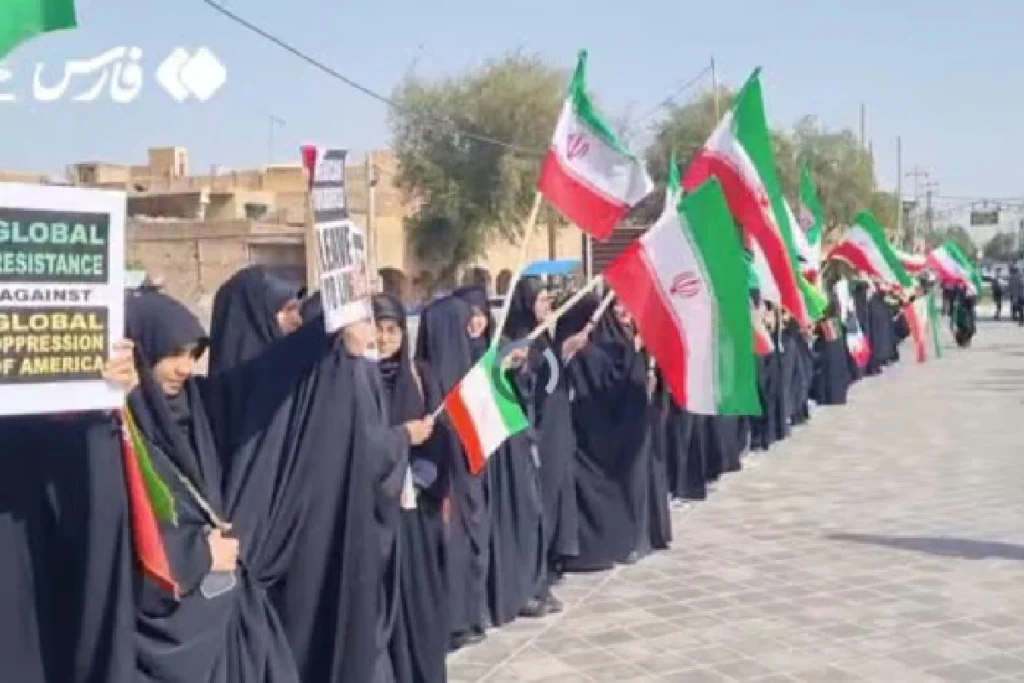
In the lead-up to the ceasefire, Iranian civilians formed “human chains” across key infrastructure sites, including bridges and power plants, in an effort to protect them from potential strikes. Protests against US military action were also recorded internationally, including in New York.
Global Markets and Energy Shock
Markets reacted sharply to developments throughout the day. Prior to the ceasefire, oil prices surged amid fears of disruption at the Strait of Hormuz. Following the announcement, prices dropped more than 15 per cent, falling below US$90 per barrel.
Global equities rallied, with US indices gaining and cryptocurrencies rising. Analysts noted that while the two-week reopening allows some oil and LNG shipments to resume, it represents a release of stored supply rather than a full restoration of production. A sustained recovery in energy markets is expected to take months, even if a longer-term agreement is reached.
Australia: Political Reactions and Economic Impact
Prime Minister Anthony Albanese described the ceasefire as a “positive” step and said Australia hoped it would lead to permanent de-escalation and resolution of the conflict. He emphasised that the war is already affecting Australian households through fuel prices and broader economic pressures.
Albanese also criticised the rhetoric of Donald Trump, particularly earlier threats referring to the destruction of an entire civilisation, stating such language was inappropriate and concerning.
Nationals leader Matt Canavan likewise condemned the comments, describing them as “a step too far.” While reiterating support for limiting Iran’s nuclear capabilities, he argued that such rhetoric was not appropriate for managing international conflict.
Financial markets in Australia responded immediately. The ASX200 rose 233 points, adding approximately $70 billion in value, while global markets recorded gains approaching $1 trillion. Oil price declines provided additional relief to the Australian economy, while the Australian dollar remained near US69.75 cents.