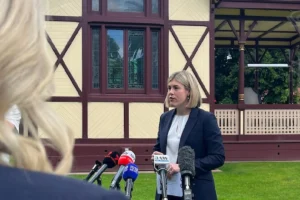
Leaked communications have revealed that a prominent Victorian Labor MP, Luba Grigorovitch, offered her office’s taxpayer-funded printer for use by local branch members to produce party-related materials — raising serious questions about potential parliamentary rule breaches. The controversy comes at a sensitive time, following a similar scandal involving a Liberal MP.
According to messages obtained by the media, in February 2023 Ms Grigorovitch sent a group WhatsApp text to the secretary and deputy-secretary of her western-suburbs branch of the party, telling them: “if you need anything printed — my office is yours.” She added, “my office is yours,” implying that the branch had access to her parliamentary printer and office resources. One former branch colleague told reporters that it was common practice for branch materials to be printed from the MP’s office.
If printing material for party-branch purposes was carried out using a taxpayer-funded printer, it may constitute a misuse of public resources and breach strict parliamentary rules. Previously, another MP, Richard Welch, admitted to offering same-day printing services from his taxpayer-funded office to his party’s members, and he has been referred to the Parliamentary Workplace, Safety and Integrity Commission.
When pressed about the leaked messages, Ms Grigorovitch confirmed she had sent the offer shortly after entering parliament — but insisted no actual printing was ever carried out. She told the media that after seeking advice, she rescinded the offer and informed the branch members accordingly. “There’s no truth to any of the claims against me,” she said. She also denied that any internal party material was ever printed from her office or that her official parliamentary email was used for party business.
One former branch official, however, disputes that account. She claimed that printing from MPs’ offices was “common,” and said she believed it was lawful — until questions about the rules were raised.
The timing of the revelations is politically sensitive. Any proven misuse of parliamentary resources for party-political work could undermine public trust in Victorian legislators. Observers note that this episode echoes earlier controversies in the Victorian Labor Party over misuse of electorate-office staff and resources — such as the 2014 “branch-stacking” scandal and subsequent investigations.
At this stage, there is no public evidence of printed materials or definitive proof that printing took place. Nonetheless, the leaked messages have triggered renewed debate over the boundary between MPs’ publicly funded resources and party-political activities — a boundary meant to prevent taxpayer money from being used for partisan campaigning.