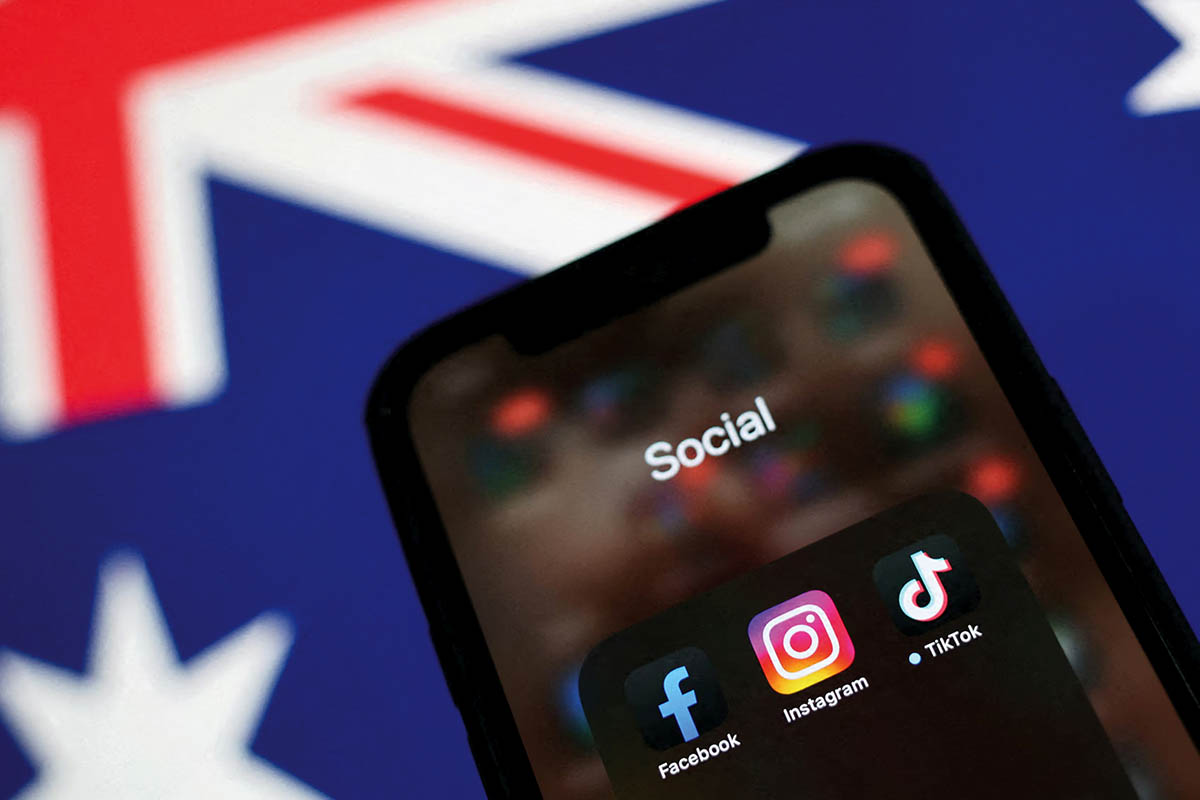
“Listen, don’t ban us” is what young people across Australia are saying, as thousands under the age of 16 prepare to be locked out of their social media accounts from next Wednesday. The federal government’s new teen social media blackout will affect ten major platforms, sparking widespread debate about youth voices, online safety, and digital freedom.
But what do young people themselves actually think about it?
A team of 14 researchers from across Australia spoke with 86 young people aged 12 to 15 to hear their views, experiences, and frustrations about the decision — and what they believe could make social media safer and more positive for them.
Missing voices in the debate
The legislation, introduced a year ago, has sparked intense public debate. Yet in the political and media noise, one key perspective has been largely absent — that of young people.
This omission matters. Evidence shows that effective policy for young people must involve them directly, especially when it concerns their rights and digital lives. Too often, public discussion slips into moral panic, portraying young people as passive victims rather than active participants in the online world.
‘My parents don’t really understand’
The study found that young people use social media in varied ways — from rarely logging in to engaging daily — yet most felt that the ban assumes they all have identical online experiences.
Many also said adults fail to understand the positive side of social media.
“I think my parents don’t really understand, like they only understand the bad part, not the good side to it,” said a 13-year-old boy.
Others highlighted that platforms can be valuable learning tools and sources of creativity.
“Even just how to do something or how to make something, I’ll turn to social media for it,” explained a 15-year-old girl.
For some, it’s also about belonging.
“The ability to find new interests and find community with people. This is quite important to me. I don’t have that many queer or neurodivergent friends – some of my favourite creators are queer,” said a 12-year-old girl.
Young people described their online lives as complex and nuanced, saying the ban feels like a blunt instrument that ignores this diversity.
“Banning [social media] fully just straight up makes it a lot harder than finding a solution to the problem […] it’s like taking the easy solution,” said a 12-year-old boy.
A call for smarter rules and real education
While most of the young people acknowledged the risks of social media, they rejected blanket bans as a fix-all solution. Many argued that the problem lies with platforms failing to enforce standards, not with users themselves.
“I think instead of doing like a kids’ version and adult version, there should just be a crackdown on the content, like tighter restrictions and stronger enforcement,” said a 14-year-old boy.
Others stressed the need for age-sensitive rules and better moderation.
“Make the platforms safer because they’re like the person who can have the biggest impact,” said a 13-year-old boy.
Many also called for comprehensive digital education, focused on helping young people use social media wisely rather than banning it altogether.
“I’d rather [the government] just like implement more media literacy programs instead of just banning [social media] altogether, because it just makes things a lot more complicated in the long run,” said a 15-year-old boy.
As the new law takes effect, platforms are expected to begin restricting access for under-16s in the coming days. For many young people, the hope is that policymakers will listen — not just legislate — and begin to design a digital future that recognises their voices, not silences them.