Large parts of Melbourne’s inner and middle suburbs are set for a dramatic transformation under new planning maps released by the Allan government, paving the way for significantly taller buildings in areas traditionally dominated by low-rise housing.
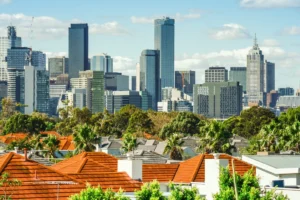
The draft maps outline new “activity centre” zones across 10 suburbs, allowing buildings of up to six storeys in many residential streets and high-rise towers of up to 20 storeys in select locations. The changes form part of the Victorian government’s push to address the state’s deepening housing crisis by increasing density around transport corridors and major services.
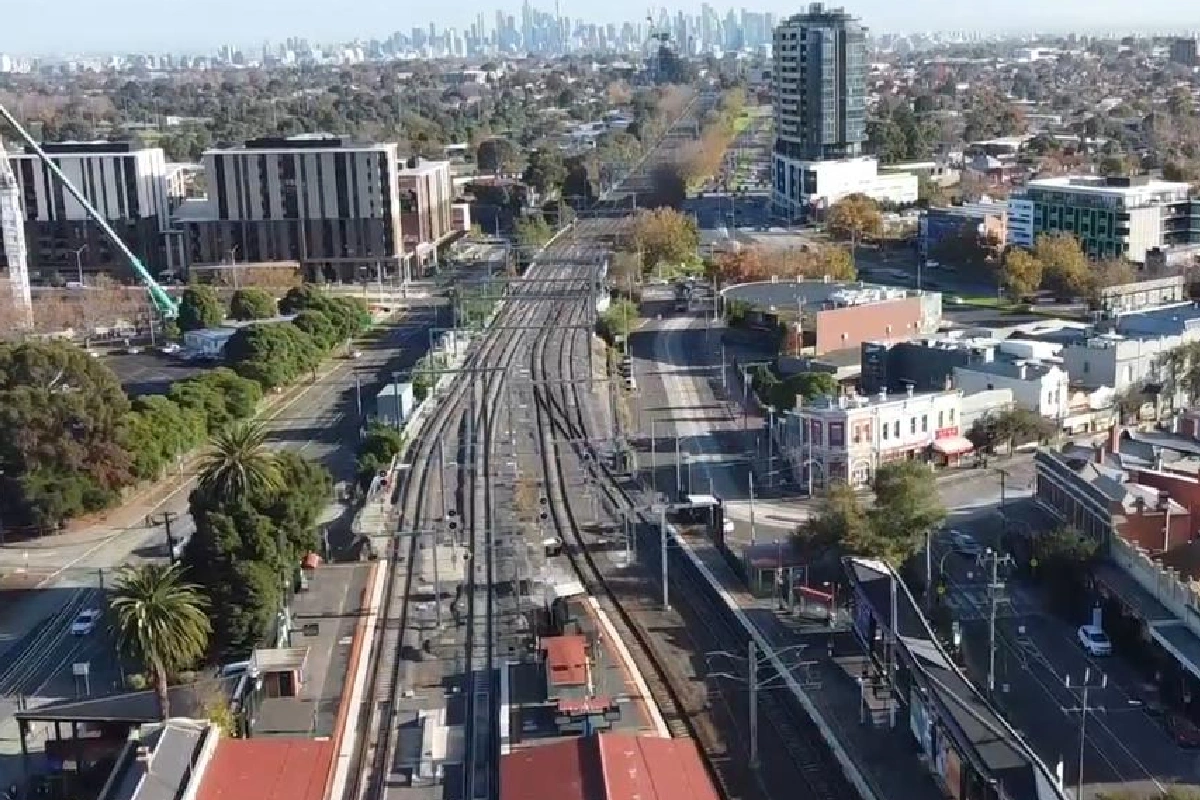
One of the most significant proposals covers a five-kilometre stretch between Malvern and South Yarra stations, extending from Glenferrie Road in the east to Punt Road in Windsor. Under the new rules, smaller residential blocks could accommodate buildings up to four storeys, while larger sites could rise to six storeys—replacing existing neighbourhood and general residential zoning that currently caps development at two or three levels.
Around major transport hubs and shopping strips, height limits would increase even further. In suburbs such as Malvern, buildings of up to 16 storeys would be permitted close to tram and train routes. Caulfield would see the most intensive development, with towers of up to 20 storeys allowed near Caulfield Racecourse and Monash University.
Other suburbs earmarked for higher density include Armadale, Prahran, Windsor and South Yarra, where quieter residential streets could be reshaped if developers take advantage of the new limits. In Glen Huntly, Mitcham and Noble Park, apartment buildings of up to 12 storeys would be allowed near railway stations, while Springvale could host towers as tall as 16 storeys.
Planning Minister Sonya Kilkenny said the reforms were designed to give more Victorians the chance to live close to public transport, jobs and family networks. She argued the “tram and train zone” activity centres would expand housing choice, from apartments near stations to townhouses and family homes in established suburbs.
The announcement has reignited community backlash seen during earlier stages of the government’s planning overhaul. Residents in suburbs such as Brighton, Glenferrie and Hughesdale have previously accused the government of running “performative” consultations and ignoring local concerns about neighbourhood character, infrastructure strain and overshadowing.
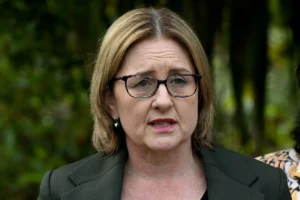
Opposition leader Jess Wilson criticised Premier Jacinta Allan, accusing her government of stripping communities of a genuine say while failing to meet housing targets. She also argued that high taxes and planning red tape were discouraging the construction of affordable homes across Victoria.
The government maintains the locations chosen are well suited for growth, noting they sit along major train lines expected to receive more frequent services. A further 13 activity centre maps are due for release, bringing the total to 58 of the state’s 60 planned centres, with Melbourne and Yarra councils to be handled separately.
As Victoria grapples with surging population growth and mounting housing pressure, the proposed changes signal one of the most far-reaching reshaping of Melbourne’s suburban skyline in decades.