More than 230 potential terrorists are currently living in Australia under deradicalisation and intervention programs, according to new figures released by the Department of Home Affairs, raising serious concerns about the capacity of national security agencies to monitor threats around the clock.
The figures, obtained by The Sunday Telegraph, reveal that 230 individuals across Australia are actively participating in counter-extremism programs, while an unknown number of others either refused to engage or were deemed unsuitable for intervention. Security experts warn that the true scale of the threat may therefore be significantly higher than official numbers suggest.
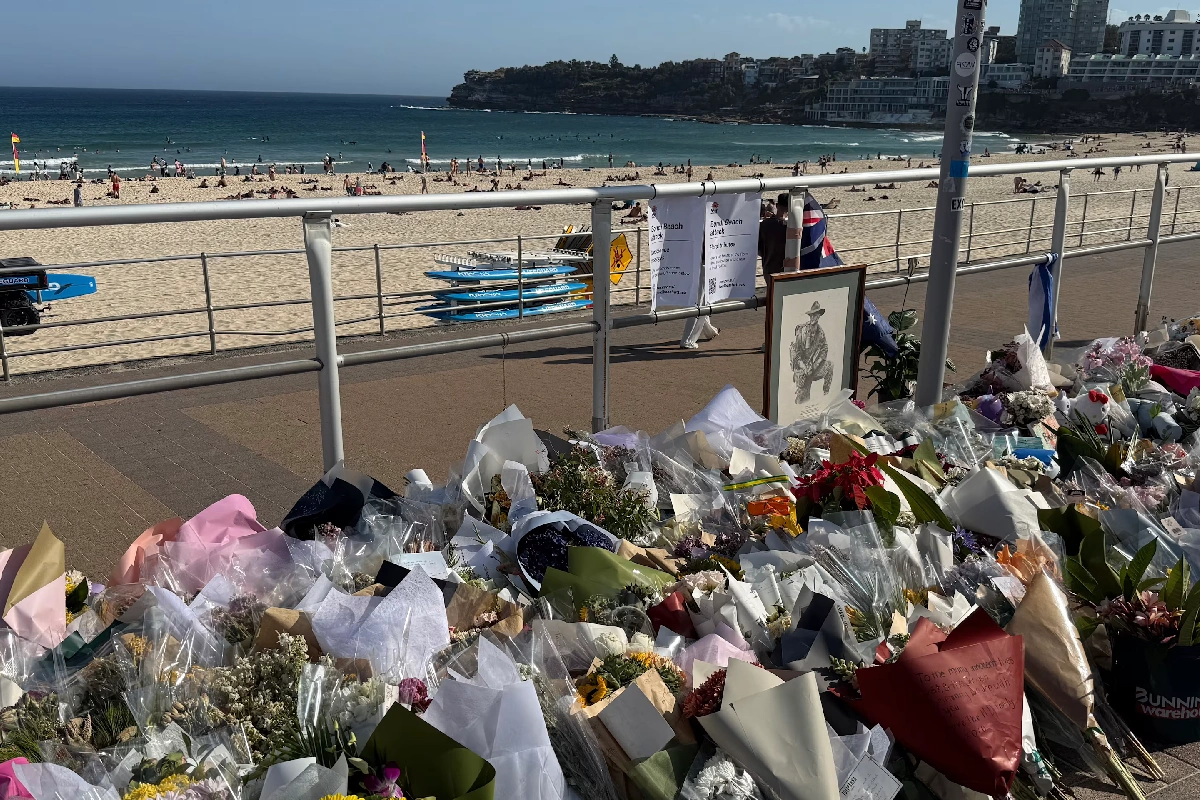
The disclosure comes amid renewed scrutiny of Australia’s counter-terrorism framework following the Bondi terror attack, which left 15 people dead and dozens injured, and has reignited debate over whether intelligence agencies such as ASIO are adequately resourced to manage escalating risks.
According to the Department of Home Affairs, one in three participants in deradicalisation programs is under the age of 18, highlighting growing concerns about the radicalisation of minors. A departmental spokeswoman confirmed that 35 per cent of participants adhere primarily to Religiously Motivated Violent Extremist ideologies, while 22 per cent exhibit mixed, unclear or unstable ideological identities.
The remaining cohort includes individuals motivated by ideological extremism, with up to 40 per cent linked to nationalist, racist, anarchist, misogynist or grievance-based extremist views.
These individuals are enrolled under the National Support and Intervention Program, launched in July last year, which incorporates two anti-extremism initiatives, including a High Risk Rehabilitation and Reintegration Program aimed at managing individuals assessed as posing ongoing threats to community safety.
The Federal Opposition has seized on the figures, warning that Australia’s intelligence agencies are approaching operational limits. Shadow Home Affairs spokesman Jonno Duniam said ASIO was already under severe strain before the Bondi attack.
“Security agencies were at breaking point when it came to resourcing even before Bondi,” Duniam said. “This information only reinforces the urgent need for the Albanese Government to ensure our counter-terrorism professionals have every possible tool and resource to prevent future attacks.”
He described the number of individuals flagged for extremist concerns as “alarming” and called on the government to clarify whether agencies are genuinely equipped to manage threats of this magnitude.
ASIO Director-General Mike Burgess last publicly addressed resourcing concerns in August 2024, warning that radicalisation was occurring “more quickly” across the country while confirming his agency was “stretched”. ASIO declined to comment further on staffing levels, surveillance capacity or case-load management.
Counter-terrorism expert Dr John Coyne, director of the national security program at the Australian Strategic Policy Institute, said the figures reflect the “current threat environment faced by everyday Australians”.
“If you have 230 identified radicals in formal intervention programs, that alone would require thousands of personnel to monitor them 24 hours a day,” Dr Coyne said. “That level of surveillance simply does not exist.”
He warned that public assumptions about constant monitoring are unrealistic and dangerous. “And these are just the people we know about,” he added. “There are others who refused intervention, were deemed unsuitable, or remain unidentified.”
Additional pressure is expected as convicted terrorists approach the end of their prison sentences, including Mohammed Omar Jamal, a planner of the 2005 Sydney terror plot, and Isaac el Matari, who declared himself the Islamic State’s commander in Australia while planning to establish a base in the Blue Mountains.
Under Australia’s post-sentence detention and supervision regime, high-risk offenders must satisfy the Federal Attorney-General that they no longer pose a threat before release. However, official strategy documents acknowledge that many offenders continue to adhere to violent extremist ideologies after incarceration.
The issue has been further complicated by findings from Five Eyes intelligence agencies, which warned in late 2024 of a sharp increase in the radicalisation of minors.
Meanwhile, Naveed Akram, charged over the Bondi attack, faces multiple terrorism and murder-related charges and remains before the courts.
Security analysts warn that without substantial investment in intelligence capacity, Australia risks confronting an increasingly complex and under-resourced counter-terrorism landscape.