The year that was 2025 in Australia was marked by significant social and political developments relating to security, public order, federal elections, human rights and international alliances. The country faced challenges ranging from mass demonstrations and extremist acts to deep debates over how it protects its citizens and strengthens democratic values in an era of global instability.
January 2025 — Extreme weather and far-right demonstrations
Heatwaves and environmental concerns:
Australia began 2025 with an intense heatwave affecting the southern and eastern parts of the country, bringing extremely high temperatures and an increased bushfire risk. Emergency services and relevant authorities issued warnings, while public debate focused on the impacts of climate change.
Far-right demonstrations on Australia Day:
On Australia Day (26 January), members of the far-right National Socialist Network held a controversial march in Adelaide. Police made arrests for illegal weapons possession and the display of hate symbols. The federal government and state authorities condemned the event as dangerous to public order.
February 2025 — Pro-Palestine demonstrations
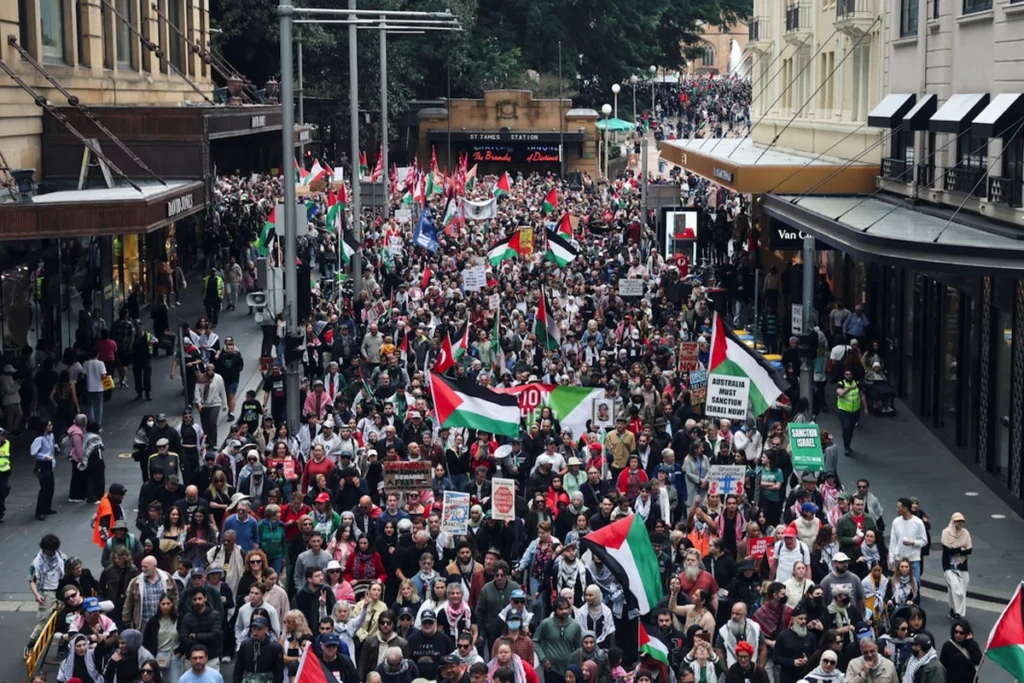
Pro-Palestine rallies and public debate:
Demonstrations in support of Palestinians that began in 2024 continued into early 2025, with rallies in central Melbourne and other cities. These highlighted internal divisions over foreign policy and solidarity in international conflicts.
March 2025 — Legislative reforms and social tensions
Changes to bail laws in Victoria:
The Victorian government adopted stricter bail provisions aimed at reducing crime. The reforms drew criticism from legal organisations concerned about civil liberties and their practical implementation.
Knives and public safety:
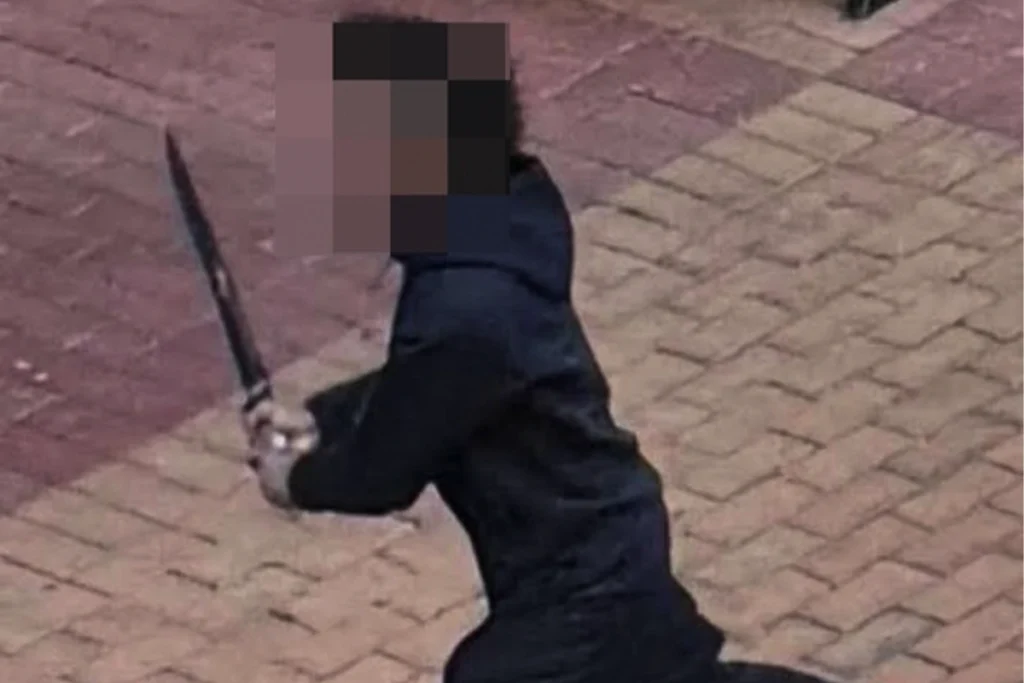
Following knife-related incidents, including a confrontation at the Northland shopping centre, bans were introduced on the sale of certain types of knives. This intensified debate around low-level weapons violence and the need for legal intervention.
April 2025 — Economic outlook and pre-election activity
Economic forum warnings:
The International Monetary Fund warned of a slowdown in global growth, affecting the Australian economy—particularly exports and trade—according to expert analyses.
Intensification of pre-election debate:
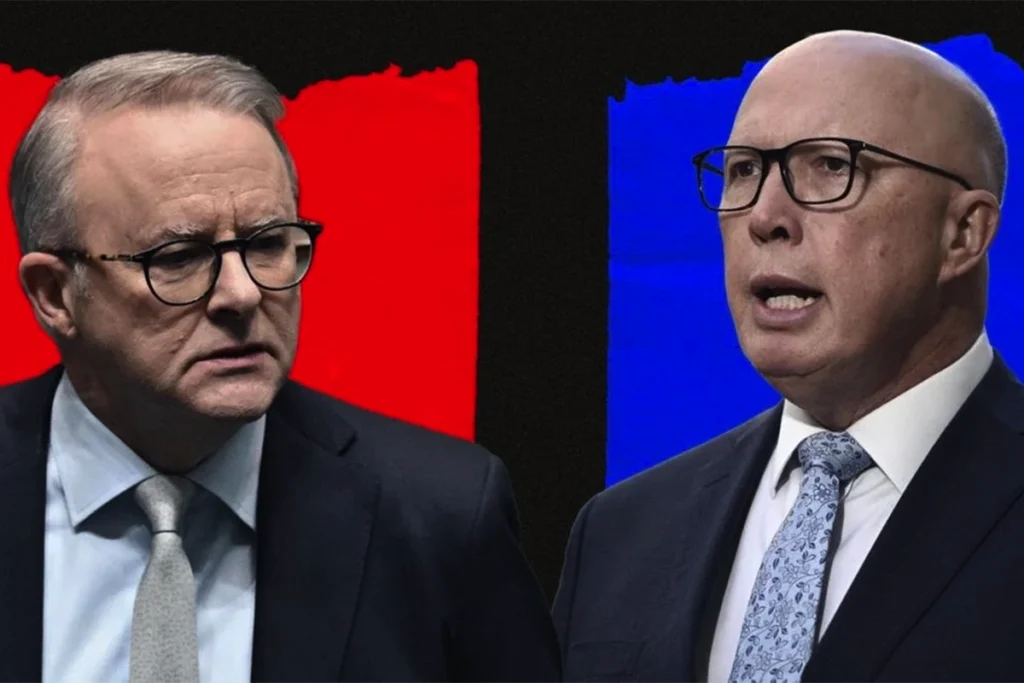
As the May federal election approached, political parties presented their positions on the economy, housing and security, with increased coverage by national media.
May 2025 — Federal elections and mass demonstrations

Federal Election 2025:
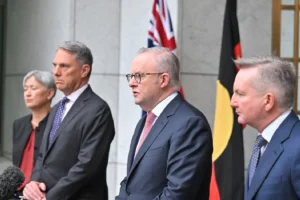
Federal elections were held in May, with the Australian Labor Party, led by Anthony Albanese, winning a clear majority in the House of Representatives.
Pro-Palestine demonstrations (Nakba Day):
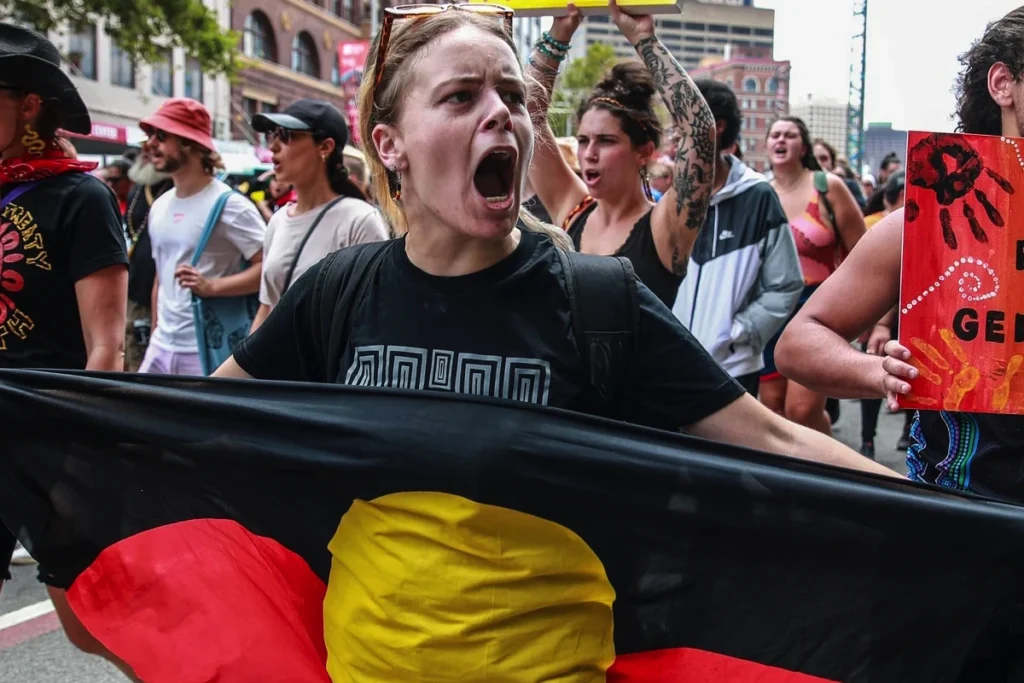
On 15 May, thousands took part in pro-Palestine demonstrations in Melbourne, Adelaide and Brisbane, forming one of the most significant waves of social mobilisation of the year. (Verified media)
June 2025 — Job losses and communications infrastructure

Closure of industrial facility in South Australia:
The Seven Point Pork meat-processing plant in Port Wakefield announced its closure, resulting in the loss of around 270 jobs and impacting the local economy.
Assessment of critical infrastructure:
Debate intensified over the resilience of critical infrastructure, such as telecommunications and emergency services, as authorities examined security and coordination issues.
July 2025 — Anti-system violence and far-right activity

Arson attack on a synagogue:
On 4 July, worshippers and authorities reported an arson attack on the Adass Israel synagogue in Melbourne—an incident considered politically motivated and investigated by the Victorian Joint Counter Terrorism Team. Police released CCTV images seeking three suspects who used a stolen vehicle and caused extensive property damage before fleeing.
National security concern:
Authorities reiterated that the synagogue attack constituted a serious breach of public order, with the Joint Counter Terrorism Team calling on the public to provide information. The broader Jewish community expressed deep concern about a wave of antisemitic attacks across the country.
August 2025 — Marches and the deadly Porepunkah attack
Major march on the Sydney Harbour Bridge:
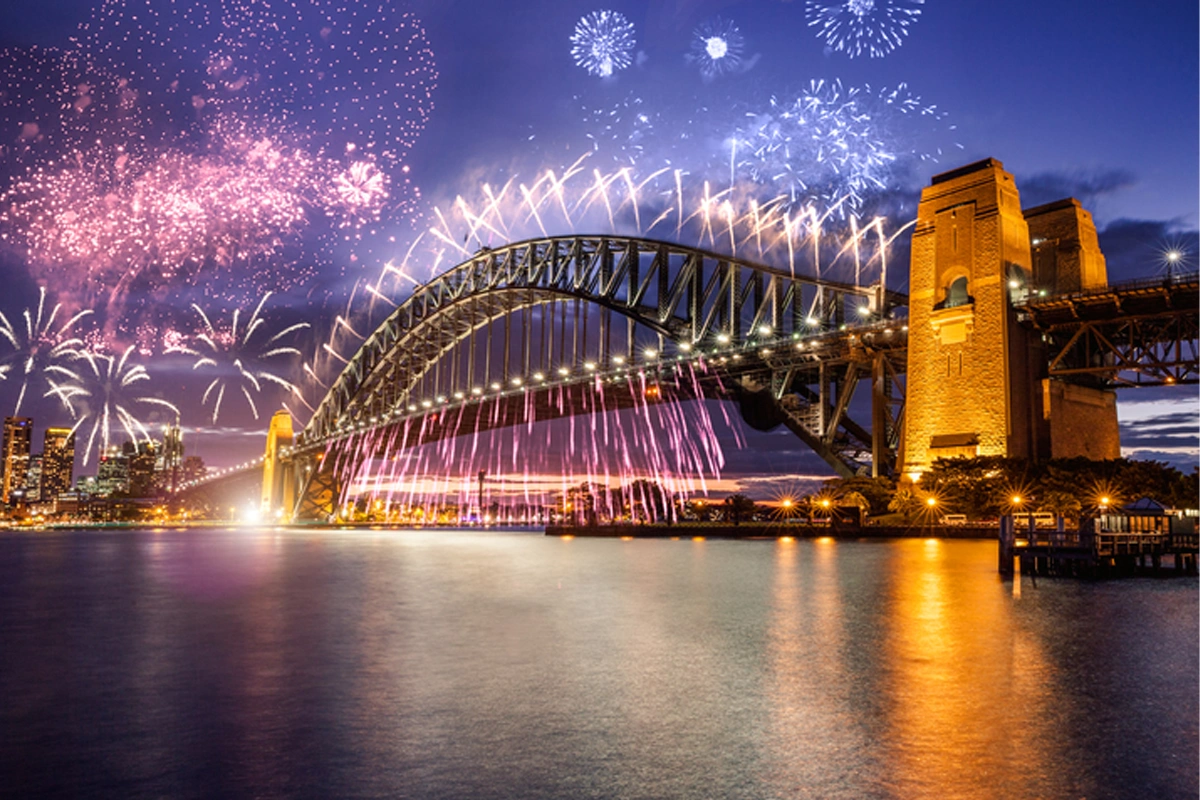
On 3 August, tens of thousands demonstrated in one of the largest marches in recent years, demanding an end to violence in the Middle East and a more humanitarian policy stance.
Attack and manhunt in Porepunkah:
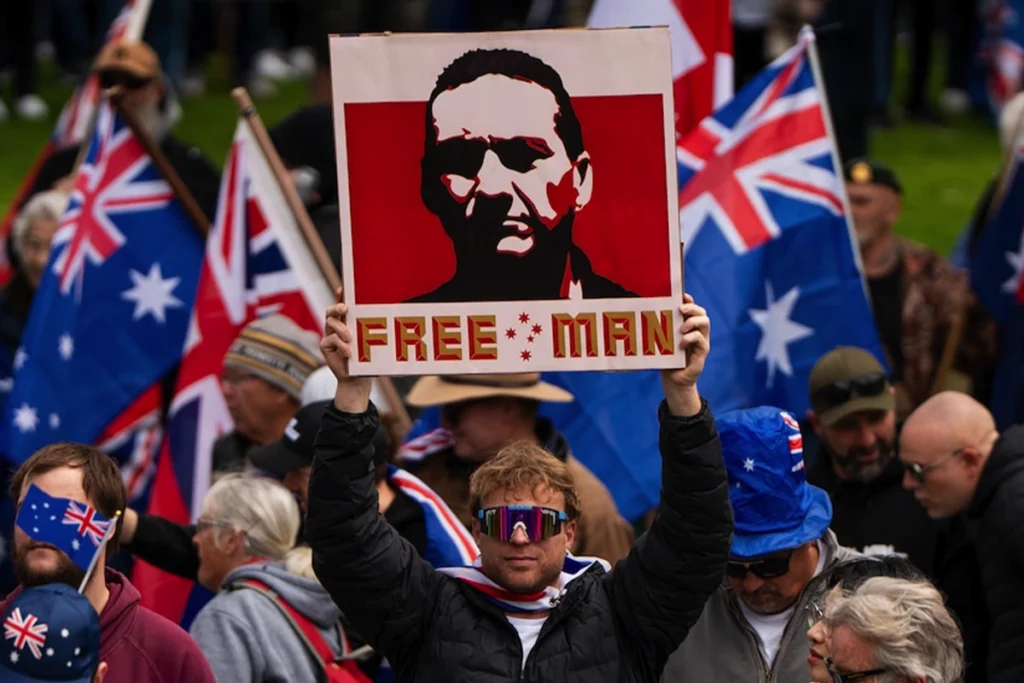
On 26 August, a man identified as Dezi Freeman (56) opened fire on police at a rural property in Porepunkah, north-east Victoria, as officers attempted to execute a warrant. Two police officers—Detective Leading Senior Constable Neal Thompson and Senior Constable Vadim de Waart Hottart—were killed, and a third was seriously injured.
Freeman fled into dense bushland and remains at large, despite one of the most extensive manhunts in the state’s history involving dozens of officers, vehicles, helicopters and a publicly announced reward.
Authorities described him as a self-proclaimed “sovereign citizen” with anti-system beliefs and expressed concern about the potential for armed confrontation. Public appeals for his safe surrender remain active as the operation continues.
September 2025 — Defence and cybersecurity

“Ghost Shark” underwater drone program:
The government announced an investment of approximately $1.7 billion to develop autonomous underwater drones, significantly strengthening naval capabilities and Australia’s commitments under AUKUS.
Increase in cyberattacks:
Authorities recorded more than 500 data breaches in the first months of 2025, prompting the activation of new measures to protect sensitive public- and private-sector information.
October 2025 — Strategic alliances and economic analysis
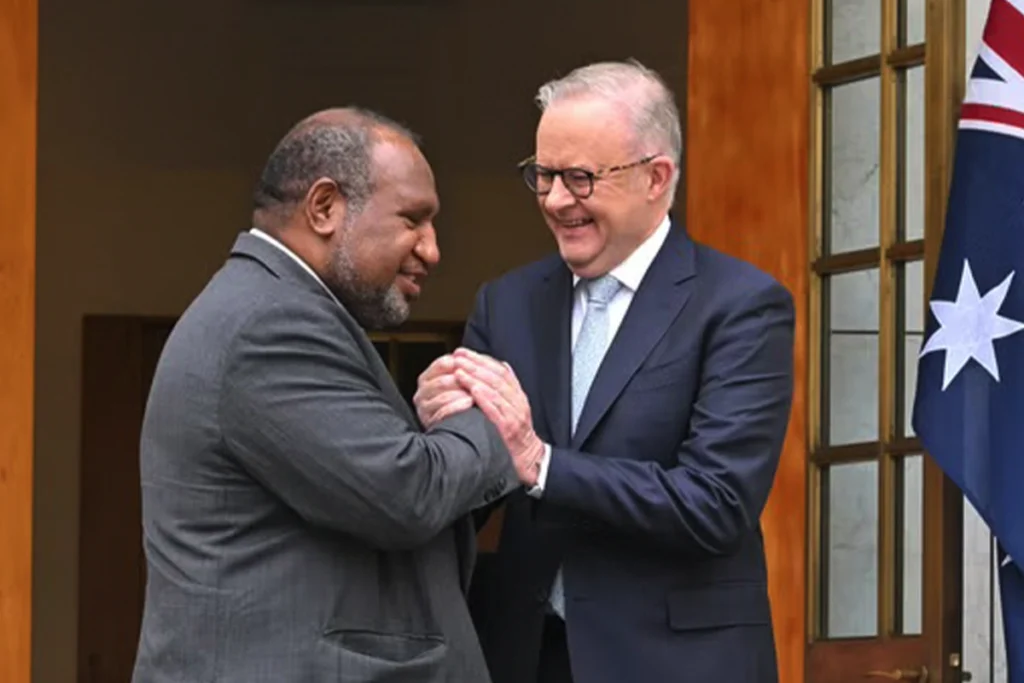
Australia–Papua New Guinea agreement:
In October, a historic mutual defence agreement was signed between Australia and Papua New Guinea, committing both countries to protect each other from external threats and to enhance cooperation on military and security matters.
November 2025 — Regional security and domestic politics
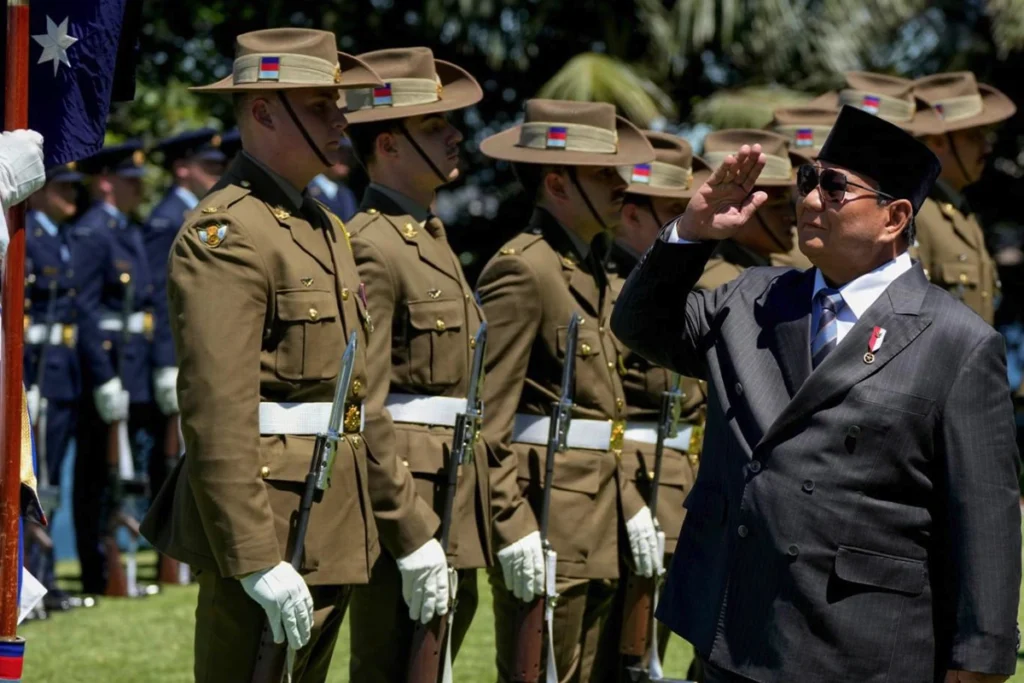
Australia–Indonesia agreement:
A significant bilateral security agreement was signed with Indonesia, including formal commitments to jointly address threats and coordinate on regional security issues.
Security and protests:
The New South Wales Parliament began debating stricter laws on weapons and protest behaviour, as concerns about public safety intensified toward the end of the year.
December 2025 — Terrorist attack at Bondi and political repercussions
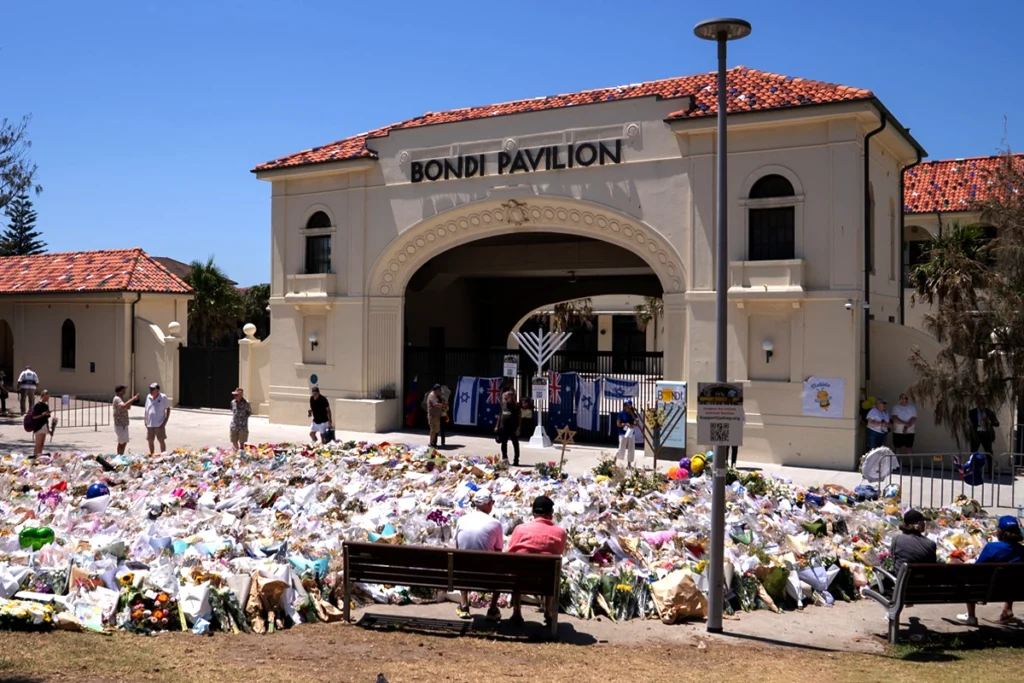
Terrorist attack at Bondi Beach (14 Dec):
On 14 December 2025, a terrorist shooting attack at a Hanukkah event on Sydney’s Bondi Beach resulted in 15 deaths and more than 40 injuries. According to police, two attackers carried out the assault using firearms and explosive devices, making it one of the deadliest attacks ever faced by Australian authorities. One attacker was killed by police at the scene, while the other, Naveed Akram, was arrested and faces dozens of charges, including multiple counts of murder and terrorism offences. (Reuters / AP News / ABC)
Community response and mourning:
Thousands attended vigils and memorials in Sydney and Melbourne for the victims, including children, Holocaust survivors, rabbis and community leaders. Families shared life stories, prompting national mourning and reflection on the safety of minorities.
Legislative changes and political debate:
In response to the attack, New South Wales and the federal government passed new, stricter firearms and counter-terrorism laws, including limits on the number of firearms per individual, mandatory membership in gun clubs, and expanded powers to restrict protests following such events. The reforms sparked intense political debate, with many calling for a full federal Royal Commission to examine the causes and security failures preceding the attack.
Hate crimes and antisemitism:
Following the attack, further acts of hate were recorded, including the firebombing of a rabbi’s car in Melbourne, underscoring the urgent need for measures against hate and violent rhetoric.