Fresh federal polling reveals a dramatic shift in Australia’s political landscape, with One Nation gaining rapid ground while support for Labor and the Greens continues to slide — a trend increasingly driven by voter anger over cost-of-living pressures, housing shortages and long-running immigration policies widely seen as disconnected from social cohesion.
Two new national surveys, conducted by DemosAU and Fox & Hedgehog, show the combined primary vote for Labor and the Greens falling into the low 40s, while right-leaning parties — led by One Nation — now command close to half the electorate.
In the DemosAU poll, Labor sits at 29 per cent, One Nation has surged to 28 per cent, the Coalition trails at 21 per cent, the Greens hold 12 per cent and Others account for 10 per cent. Seat modelling still places Labor in government, but with a sharply reduced buffer, while One Nation’s projected parliamentary presence has almost doubled since January.
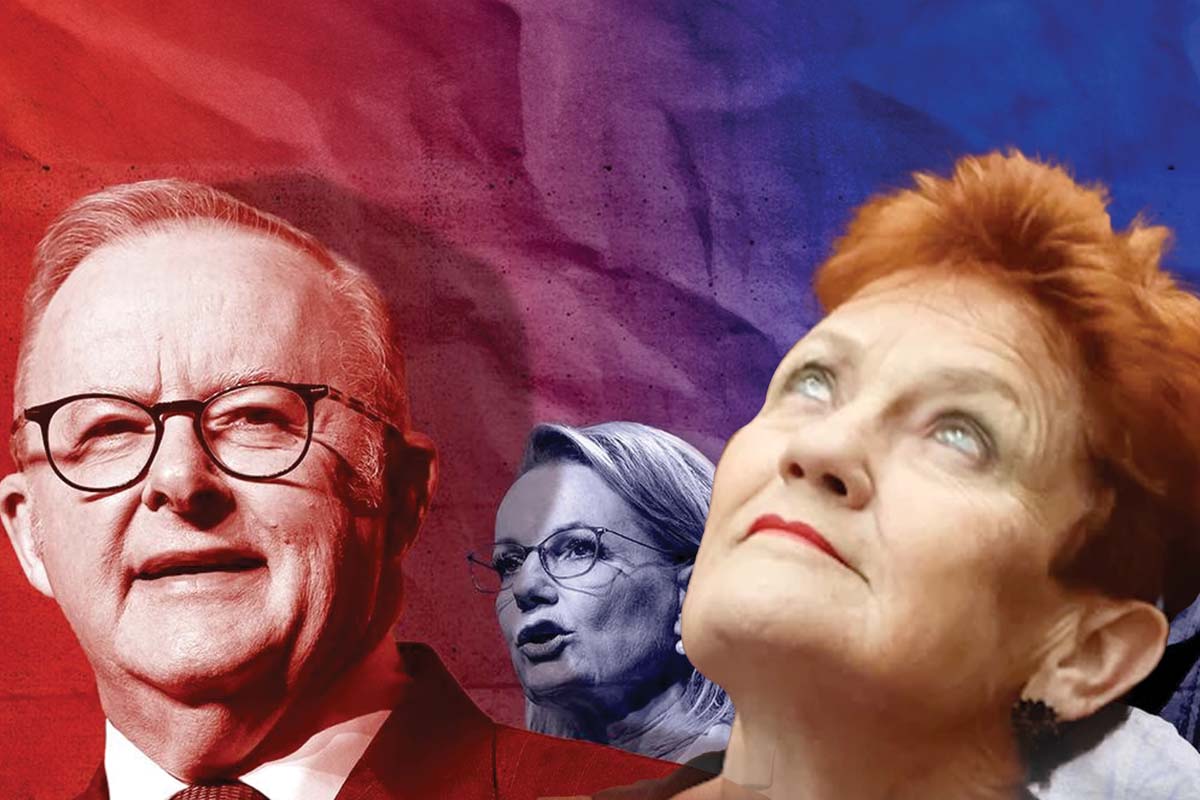
Prime Minister Anthony Albanese’s approval rating continues to deteriorate, now standing at a net –17, while One Nation leader Pauline Hanson has climbed to near parity, reflecting growing voter frustration with mainstream parties. Coalition leader Angus Taylor has recorded a modest improvement, but no meaningful bounce for the Coalition overall.
Fox & Hedgehog polling paints a similar picture: Labor on 30 per cent, One Nation on 25 per cent, Coalition 24 per cent, Greens 12 per cent. On a three-party preferred basis, Labor leads One Nation narrowly, while its margin over the Coalition has shrunk to just two points.
Immigration & social cohesion emerge as flashpoints
While cost of living remains voters’ top concern, immigration has moved sharply up the agenda. Across both polls, Australians overwhelmingly backed restrictions on migration from high-risk regions and rejected the return of ISIS-affiliated women and children. On immigration policy specifically, One Nation and the Coalition now enjoy a commanding advantage over Labor and the Greens.
This shift reflects mounting public resentment toward decades of high-volume immigration pursued by successive governments — Labor and Coalition alike — without a coherent strategy for housing, infrastructure, employment integration or cultural cohesion.
Voters increasingly see population growth as a direct contributor to housing scarcity, strained services and wage pressure, while feeling excluded from decision-making that has reshaped communities at unprecedented speed. Analysts note that this disconnect has created fertile ground for protest voting, with One Nation capitalising on concerns that Canberra has prioritised economic metrics over community stability.
Many respondents now openly question whether Australia’s migration settings serve ordinary citizens or primarily benefit corporate interests and property markets.
National Security and Global Anxiety Add to Discontent
International sentiment also reflects growing unease. Australians view China as the leading future threat, though concern has softened since 2023. Support for Ukraine remains, but enthusiasm is fading, with fewer respondents favouring increased involvement.
Trust in major global leaders remains low, and approval of the United States has dropped sharply over the past two years — reinforcing a broader sense of geopolitical uncertainty that is feeding domestic anxiety.
Tasmania and Queensland Confirm the Trend
State polling mirrors the federal picture. In Tasmania, One Nation has jumped from six per cent at the last election to 24 per cent, even tying Labor in Braddon. In Queensland, One Nation now commands 21 per cent of the primary vote, helping push the Liberal National Party to a decisive lead over Labor.
A Political Reckoning Looms
Taken together, the results point to more than a temporary polling fluctuation. They signal a widening revolt against establishment politics — driven by economic pressure, immigration fatigue and a growing belief that governments have failed to preserve social balance while pursuing rapid population growth.
With voters increasingly prioritising affordability, border control and national cohesion, One Nation’s rise reflects a broader demand for systemic change. Whether mainstream parties respond with genuine policy recalibration — or continue to lose ground — may determine Australia’s political direction in the years ahead.