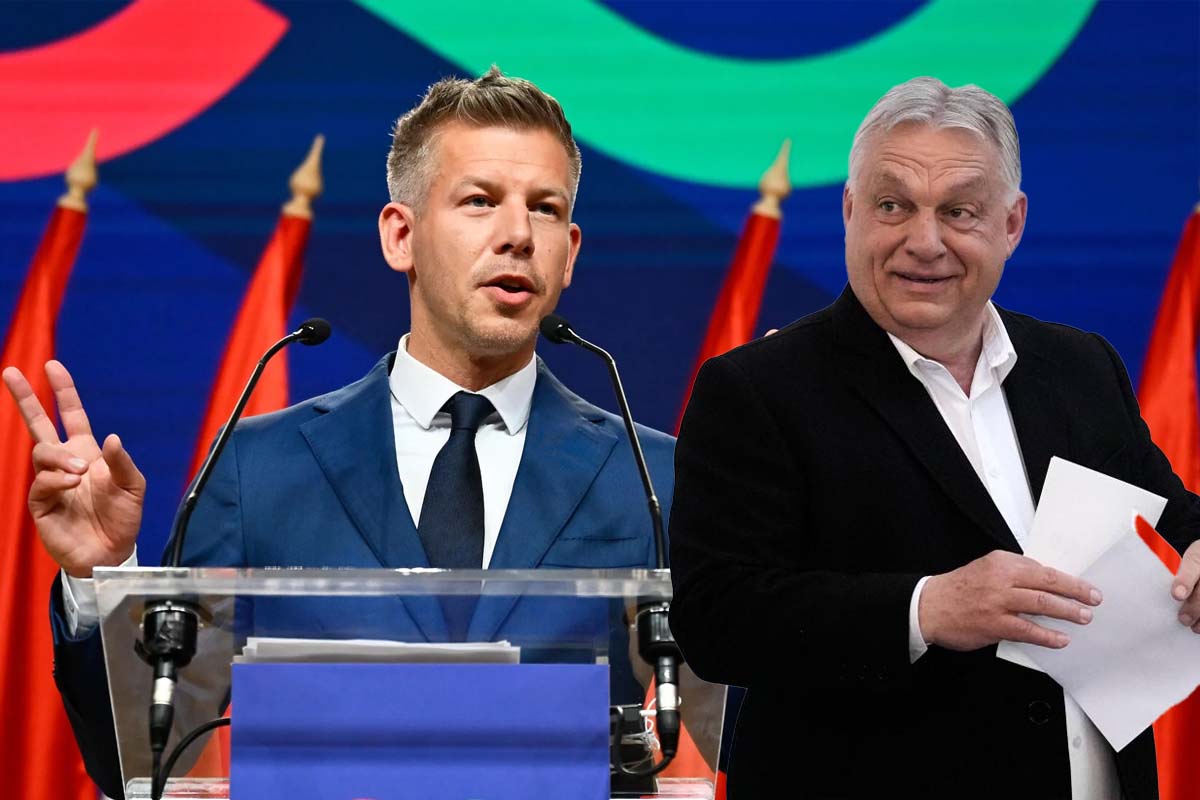
In a display of political manoeuvring so bold it borders on the theatrical, Viktor Orbán appeared to recognise early that the European Union, George Soros, Barack Obama and the wider globalist establishment were aligned against him.
With little credible left-wing opposition remaining in Hungary — none surpassing the modest 5 per cent electoral threshold — the Hungarian prime minister sought to reshape the contest on his own terms.
His solution was unconventional: he elevated a close ally, Péter Magyar, positioning him as a high-profile “opponent”.
The strategy, at least in appearance, was straightforward. Magyar, who until 2024 had been closely associated with the Orbán government, broke ranks, adopted the role of dissident, and attracted support from European institutions critical of Orbán. He quickly emerged as a leading figure for those advocating political “change”.
Across Brussels and beyond, this development was welcomed enthusiastically. Financial and political backing followed, while Western media coverage largely framed Magyar in favourable terms, with limited scrutiny of the underlying dynamics.
The outcome, however, has prompted renewed debate. Upon entering the political spotlight, Magyar adopted positions that in several respects echoed existing Hungarian government policy. He argued that border protections remained insufficient, rejected many proposals associated with Ursula von der Leyen, and emphasised the rights of ethnic Hungarians — positions broadly aligned with a sovereigntist approach.
As this became clearer, a noticeable shift in online discourse followed, with critical commentary emerging across multiple platforms, challenging both Péter Magyar’s stance and the expectations placed upon him.
For critics, this raises questions about whether the anticipated political shift represents genuine change or continuity under a different banner.
What is clear is that expectations in Brussels and among Orbán’s international critics have not been met in the way many had envisaged, leaving observers to reassess both the strategy and its implications.