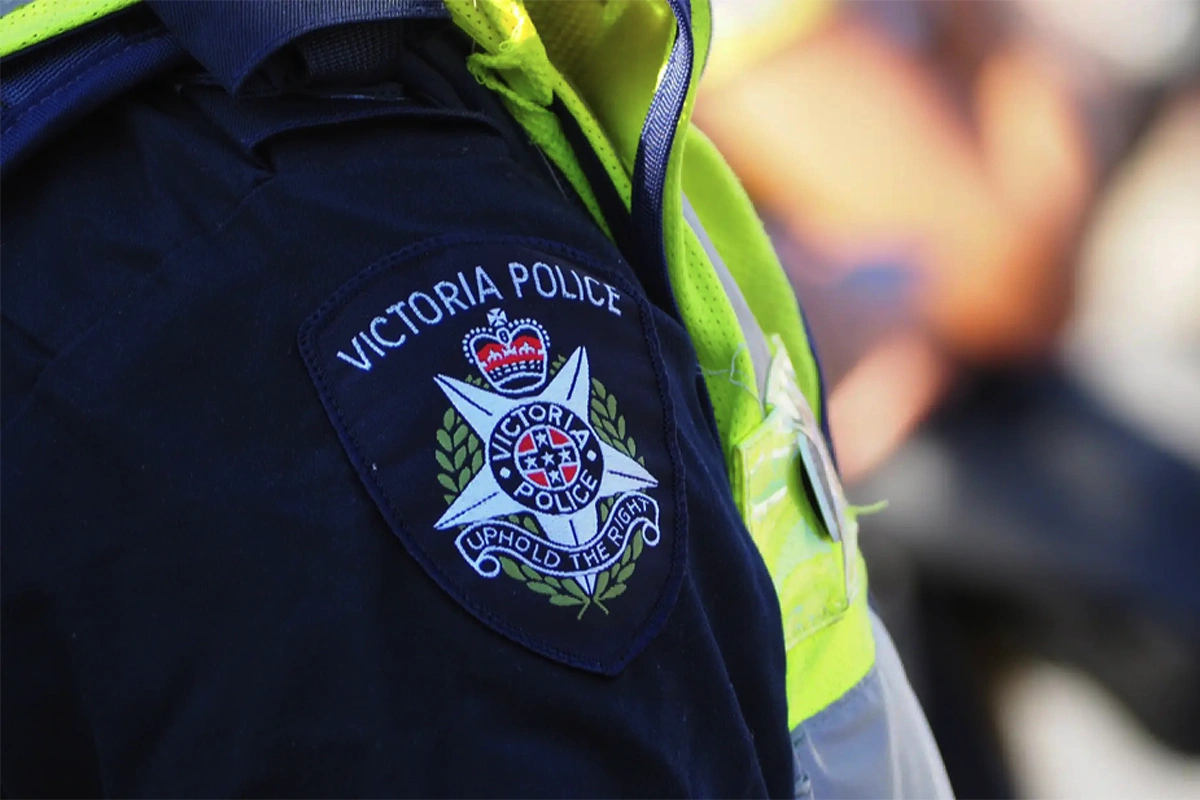
Victoria is currently facing one of the most serious public safety crises in recent years, as the numbers of full-time police officers reach their lowest point in almost seven years, at a time when crime is skyrocketing.
Analysis by the Herald Sun shows that in the past year alone the state lost nearly 332 full-time police officers, with the hardest-hit suburbs being Brimbank, Kingston, the Mornington Peninsula, Whittlesea, and Moonee Valley. Conversely, areas such as East Gippsland, Melbourne, and Greater Dandenong saw a slight increase in personnel, a fact that indicates an uneven distribution of resources.
This decline, as highlighted by the Victoria Police Association (TPAV), undermines citizen safety. Chief Wayne Gatt emphasised that the state needs approximately 17,014 police officers to adequately meet its needs, while today the number of full-time officers is 15,601, almost 370 fewer than when Jacinta Allan assumed the position of Premier.
According to him, without adequate personnel, crime will continue to rise, while passive policing and insufficient police presence in neighbourhoods leave suburbs exposed to thefts, assaults, and other forms of criminal activity.
The government, for its part, defends its management of the police, with Premier Jacinta Allan stating that Victoria has the largest police force in the country and that efforts continue to recruit through the police academy. However, the TPAV insists that reality differs from government statements: departures exceed new recruitments, while many police stations operate with reduced staff and limited hours.
The result of this policy is evident: in the past year, there was a 10.7% increase in crime victims, a phenomenon that demonstrates the failure of the current crime prevention strategy. Society feels unsafe, while the media have already highlighted incidents of young offenders who remain on bail and continue to commit serious offenses.
The situation requires urgent reassessment of the state’s priorities. Without clear policies to strengthen policing, sufficient recruitment, and redistribution of resources to high-crime areas, Victoria risks seeing the security crisis deepen. Protecting citizens and maintaining public order are not merely statistical figures—they are a matter of life and daily safety that cannot wait.
The need for immediate action is evident: planning must focus on crime prevention, increasing the presence of police in neighbourhoods, and ensuring that new recruitments do not remain words on paper. Only in this way will Victoria avoid becoming the state where “more crime met less policing.”