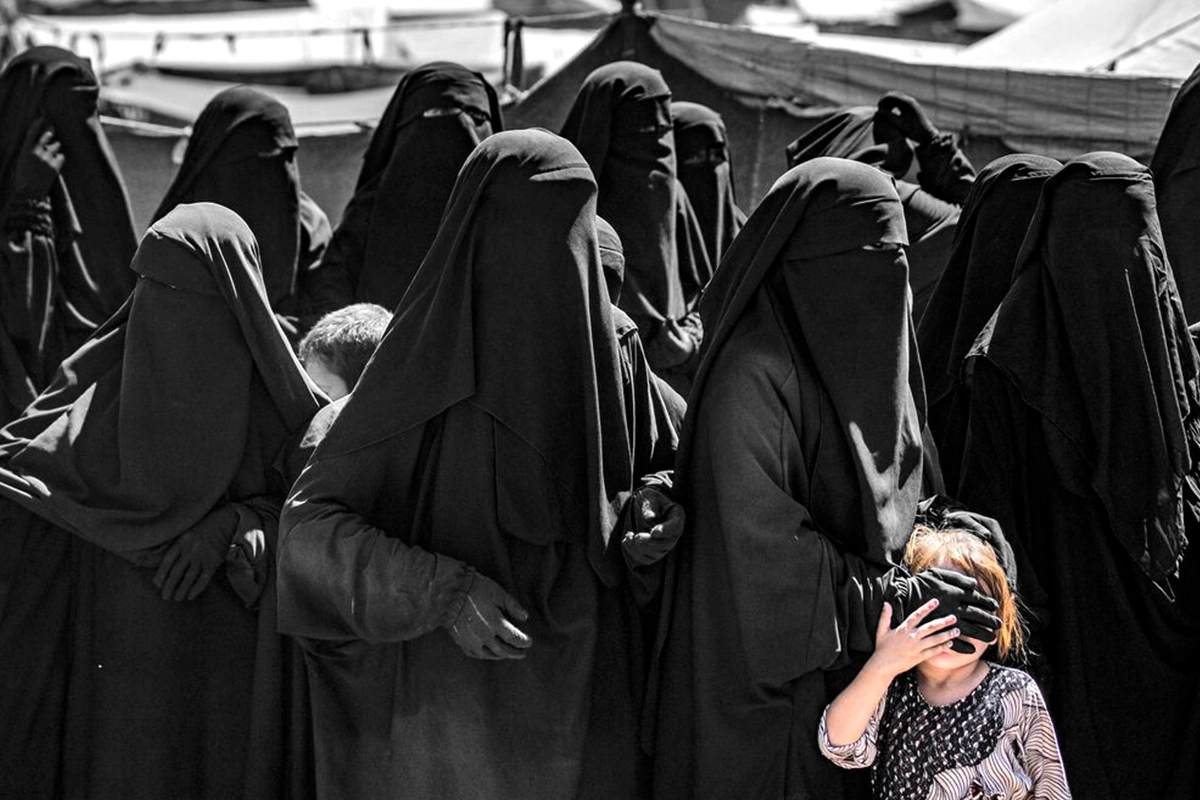
The possible return of 11 Australian women linked to ISIS and their 23 children from camps in northern Syria has evolved into a major political and social issue.
Reports that most may resettle in Victoria, with roughly one-third heading to New South Wales, have intensified public concern and sharpened political divisions.
The Government’s argument: Legal obligation and institutional safeguards
The Albanese government maintains that it is not conducting an organized repatriation program. Each case, it argues, is assessed individually, and as Australian citizens, these individuals cannot be collectively barred from returning without firm legal grounds.
Federal authorities emphasize that existing counterterrorism legislation provides risk-management tools, including temporary exclusion orders, monitoring arrangements, and prosecution for terrorism-related offences where evidence exists. The government frames its position around rule-of-law principles, warning that arbitrary deprivation of rights could trigger serious constitutional challenges and undermine legal consistency.
The opposition’s hardline approach
The Opposition, led by Angus Taylor, has adopted a markedly tougher stance. It has proposed legislation that would criminalize assistance to individuals linked to terrorist organizations seeking to return to Australia, with penalties of up to ten years’ imprisonment unless explicit ministerial approval is granted.
The argument is preventative: risk should be stopped at the border, not managed after arrival. From the Coalition’s perspective, even the possibility of security exposure justifies stronger legislative intervention to ensure that national safety is never compromised.
Communities, cohesion and the human dimension
In Melbourne, particularly among communities with roots in Syria and Iraq who directly experienced ISIS violence, anxiety is tangible. The debate extends beyond security metrics; it touches on social cohesion and trust in public institutions.
At the same time, human rights advocates stress that children bear no responsibility for their parents’ decisions and that leaving them indefinitely in unstable camps does not neutralize risk — it postpones and relocates it.
The dilemma is politically charged and structurally complex. Excessive severity risks eroding foundational legal norms. Excessive leniency risks eroding public confidence. The real test for political leadership is whether it can strike a disciplined balance — firm on security, consistent with the law, and transparent with the public.