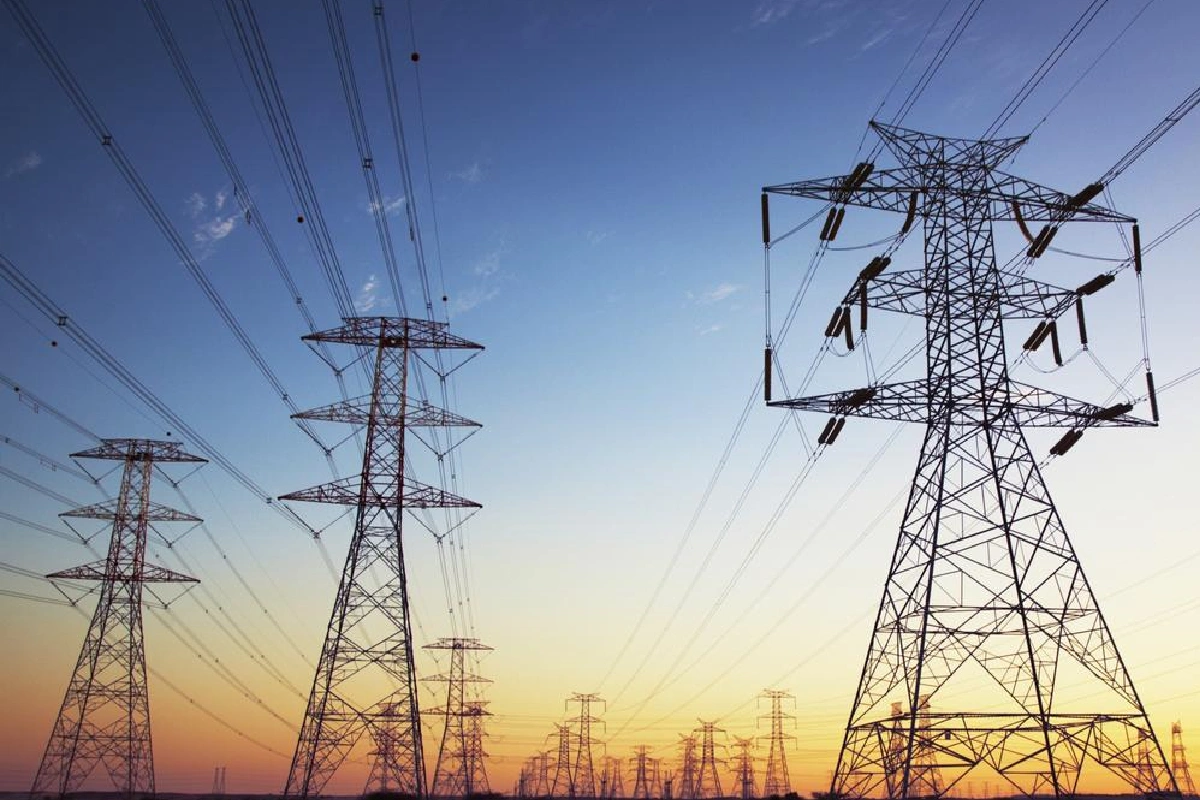
The Victorian government is facing mounting backlash after Premier Jacinta Allan dismissed concerns from regional residents that the Western Renewables Link transmission line could leave properties vulnerable to catastrophic bushfires.
Landowners and CFA volunteers in western Victoria say they were “shocked” and “sickened” after being labelled conspiracy theorists for opposing the 190-kilometre high-voltage transmission line, which is designed to carry renewable energy across the state.
The criticism comes ahead of a major conference in Horsham next month, where residents, emergency service volunteers and opposition figures plan to outline their concerns about fire risk, insurance, and emergency access. Both the Premier and Energy Minister Lily D’Ambrosio have dismissed the event as a “misinformation convention”.
Property owner and former CFA captain Tom Dryfe said his insurance broker warned that once the transmission line is built, parts of his property could become effectively uninsurable.
“He told us insurers may simply walk away,” Mr Dryfe said. “Not because of the cost, but because fire crews won’t be able to safely access the land once those lines are in place.”
CFA operational guidelines advise firefighters not to directly attack fires beneath or near transmission line easements, citing the risk of electrical arcing caused by smoke particles. Aerial firefighting is also restricted, with aircraft unable to operate within 100 metres of transmission towers.
Mr Dryfe warned that smoke containing carbon particles can bridge live power lines to the ground, creating a potentially lethal flashover risk for ground crews.
“These aren’t hypothetical dangers,” he said. “They are documented operational risks that firefighters already work around.”
Critics argue the project ignores key recommendations from the Black Saturday Royal Commission, which called for power infrastructure in fire-prone regions to be either undergrounded or redesigned to minimise ignition risk—options not feasible for high-voltage transmission lines.
Opposition energy spokesman David Davis said residents’ fears were legitimate and should not be dismissed.
“There are real risks when it comes to fighting fires around high-voltage infrastructure,” he said, adding that insurance restrictions near major transmission lines are already a known issue.
The Victorian government insists the project is safe, stating there is no recorded case of a transmission line starting a bushfire in the state. A government spokeswoman said CFA volunteers already have procedures in place to manage fires near energy infrastructure.
However, residents argue the unprecedented scale of the Western Renewables Link dramatically increases the risk profile.
“I’m not against renewable energy,” Mr Dryfe said. “I just don’t want my home and livelihood to burn because firefighters can’t reach it.”