As winter tightens its grip on the Northern Hemisphere, the chill has also spread to relations among NATO allies. What the Greenland dispute means for NATO and Europe’s future.
Rising tensions over Greenland have exposed deep fractures within the transatlantic alliance, calling into question both the future of NATO and the broader architecture of European security.
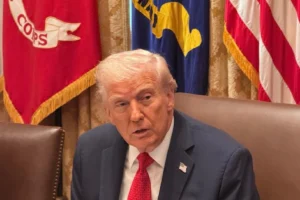
US President Donald Trump has made clear his desire to secure control over Greenland, framing the issue as a matter of national security. However, the proposal has been firmly rejected by both Greenland’s autonomous government and Denmark, the NATO member state that continues to administer the island. Countries such as the United Kingdom, France and Spain have openly backed Denmark, warning that the dispute risks undermining the cohesion of the Alliance.
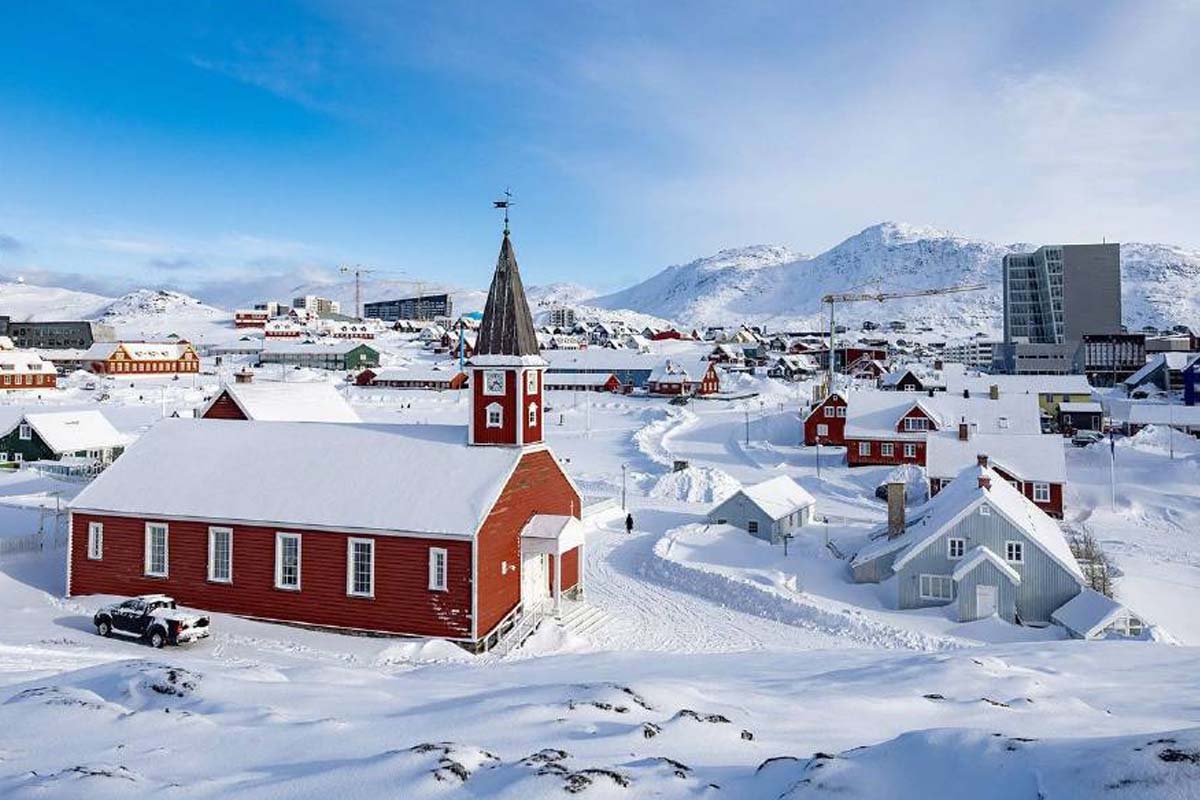
With a population of just 56,000, Greenland may appear too small to trigger global upheaval. Yet its strategic location and vast natural resources make it a critical geopolitical focal point.
Why Greenland Matters to the United States
Greenland’s importance lies primarily in its geography. The island sits within the so-called GIUK gap—the maritime corridor linking Greenland, Iceland and the United Kingdom—an axis vital for monitoring naval activity between the Arctic and the Atlantic.
As climate change accelerates ice melt, new sea routes are opening, increasing the Arctic’s strategic value. Greenland also offers crucial military capabilities, including early-warning systems and oversight of emerging commercial shipping lanes.
Equally significant are the island’s natural resources. Greenland holds deposits of oil, natural gas and rare earth elements—materials essential for electric vehicles, wind turbines and advanced weapons systems. At a time of intense strategic competition with China, Washington views these resources as a major geopolitical asset.
NATO Under Strain
The dispute has reignited concerns over the United States’ commitment to NATO under Trump’s leadership. The US president has repeatedly threatened to withdraw from the Alliance, citing insufficient defence spending by European members.
Although he has not explicitly threatened withdrawal over Greenland, Trump has deliberately left the possibility open. “You don’t know what I’ll do,” he recently said—remarks that have deepened uncertainty among European allies.
Can NATO Survive Without the United States?
For many European leaders, the answer is no. Article 5—the principle of collective defence—is the cornerstone of NATO. Since Greenland is part of the Kingdom of Denmark, any US military action against it would effectively constitute an attack on a NATO member state.
Danish Prime Minister Mette Frederiksen was unequivocal: if the United States were to attack a NATO ally, the Alliance would collapse. “At that point everything stops—NATO itself and the security framework that has existed since the end of the Second World War,” she warned.
Russia and China in the Background
The crisis is being closely watched in Moscow and Beijing. Trump argues that US control of Greenland is necessary to prevent the expansion of Russian or Chinese influence in the Arctic.
China has promoted its “Polar Silk Road” policy since 2018, insisting its ambitions are peaceful. Nevertheless, Western governments remain sceptical. Russia, meanwhile, would stand to benefit from any weakening of NATO—particularly as the war in Ukraine continues.
A Critical Crossroads for Europe
The Greenland dispute is not merely about a remote Arctic island. It strikes at the heart of the transatlantic relationship and forces Europe to reassess its reliance on the United States for its security.
Whether this crisis leads to strategic realignment or deeper fragmentation within the West may well shape Europe’s future for decades to come.