Australians are often told that wars in the Middle East are distant events — tragic and dangerous but far removed from daily life on the other side of the world. The escalating confrontation involving Iran is already proving otherwise.
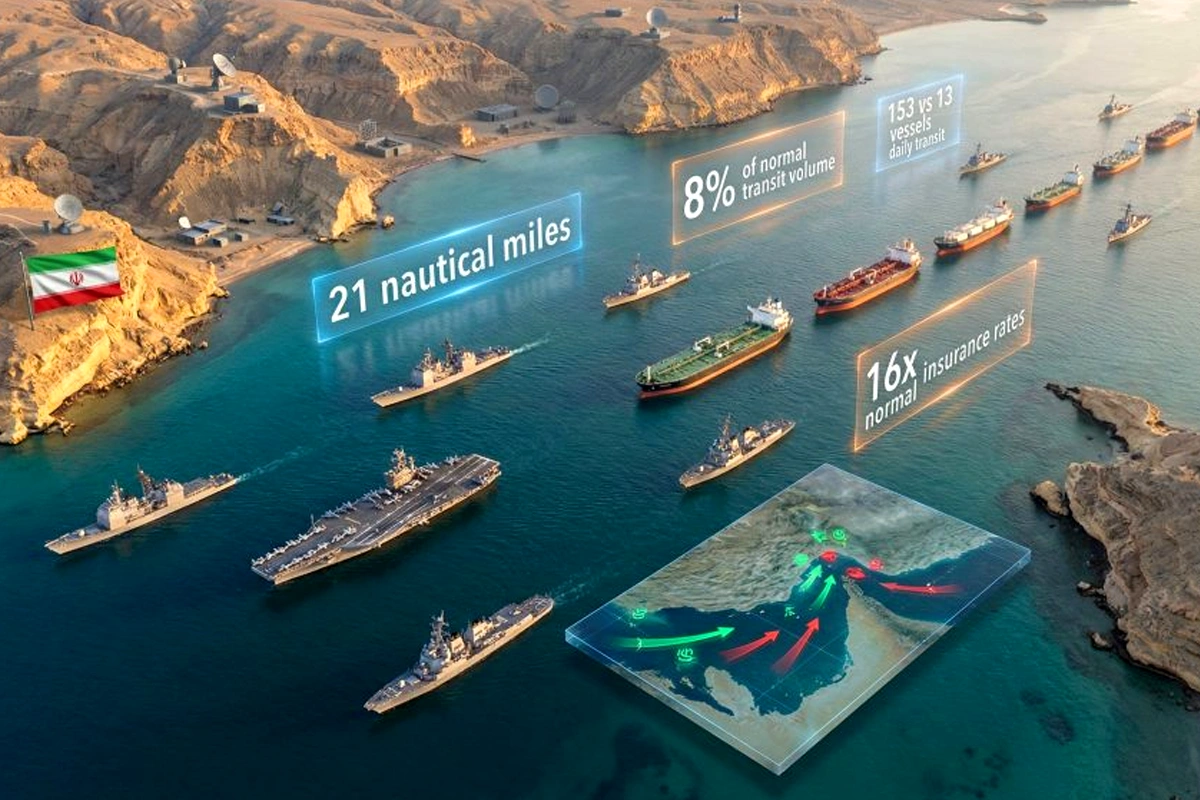
What is unfolding in the Persian Gulf is not simply another regional conflict. It is a geopolitical crisis unfolding along one of the most important energy arteries on the planet: the Strait of Hormuz.
Every day, roughly a fifth of the world’s oil supply passes through this narrow waterway. When tensions rise there, global markets react immediately. And when energy markets react, the consequences spread rapidly across the world.
Australia is among the first countries to feel the pressure.
Unlike many major energy producers, Australia relies heavily on imported refined fuel. The country exports massive quantities of raw energy resources but imports the petrol and diesel that power its vehicles, trucks and aviation sector. This structural contradiction leaves Australia highly exposed whenever global oil supply routes are threatened.
The Iranian crisis is now testing that vulnerability.
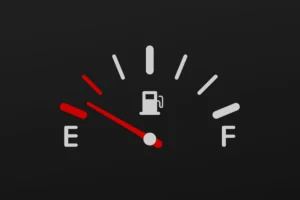
As tensions rise in the Gulf, oil prices have begun climbing sharply. The effects are already visible at petrol stations across Australia, where motorists are confronting the possibility of significantly higher fuel prices if the conflict escalates.
For a country already struggling with inflation and high mortgage repayments, the implications are serious. Fuel costs do not rise in isolation. They ripple across the entire economy — increasing freight costs, pushing up food prices and squeezing household budgets even further.
But the crisis is not only economic. It is strategic.
As the situation deteriorates in the Gulf, the United States is seeking assistance from allies to secure vital shipping lanes. For Australia, a long-standing US ally, such requests create a familiar dilemma: support Washington or avoid deeper involvement in another volatile Middle Eastern conflict.
Canberra has so far chosen caution. Rather than sending warships into the Gulf, Australia has contributed surveillance aircraft operating from the United Arab Emirates. The move signals support without direct combat involvement.
Yet the broader lesson from this crisis may be uncomfortable.
Despite decades of warnings, Australia still lacks robust fuel security. Strategic fuel reserves remain limited, and the country continues to depend heavily on global supply chains that can be disrupted by geopolitical shocks far beyond its control.
If the Strait of Hormuz were seriously disrupted, the consequences would be immediate. Fuel prices would surge. Supply chains could tighten. Economic pressure would intensify.
In an interconnected world, geography offers less protection than many Australians assume.
The conflict involving Iran may be unfolding thousands of kilometres away — but its economic shockwaves are already reaching Australian shores.
And if the war widens, those shockwaves could quickly become far more powerful.