Australia’s involvement in the Middle East conflict is no longer theoretical. Prime Minister Anthony Albanese has confirmed that Australian Defence Force (ADF) assets are being deployed to the Gulf region to assist allied nations in protecting themselves from Iranian attacks.
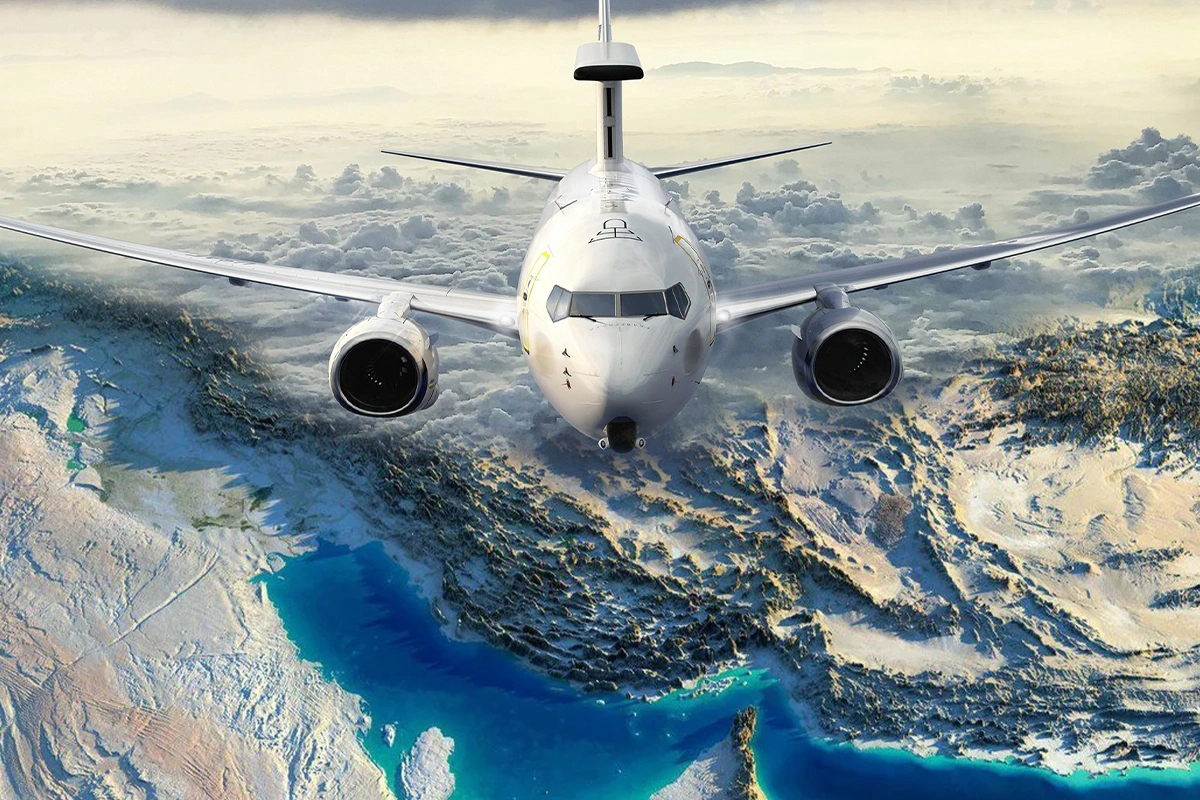
Among the deployed assets is an RAAF E-7A Wedgetail reconnaissance aircraft, providing long-range surveillance to monitor airspace and enhance the security of both Australian personnel and civilians in the region.
Officials emphasise that the deployment is defensive and operates under the principle of collective self-defence. The Wedgetail aircraft is designed for reconnaissance and early-warning operations, contributing to a broader coalition effort without directly engaging in offensive operations. Supporting personnel are expected to be deployed for an initial period of four weeks, assisting in monitoring threats and supporting allied air-defence systems.
The strategic context is significant. Gulf Cooperation Council (GCC) nations, including the United Arab Emirates, face sustained attacks; the UAE has reportedly intercepted approximately 1,500 drones and rockets in recent weeks. The request for Australian assets reflects the need for reliable partners capable of supplementing missile and air-defence capabilities in the region.
Australian facilities, including those involved in intelligence and satellite data processing, also provide indirect support for coalition operations. These capabilities enhance early warning, reduce potential casualties, and improve operational coordination among allied forces. While the government has maintained that no ADF personnel are participating in offensive strikes, the deployment positions Australia as an active contributor to regional defence.
The policy question is no longer whether Australia is involved, but how that involvement should be managed, communicated, and limited. Strategic considerations include protecting commercial shipping, securing energy supply routes, and supporting allies in a volatile region. At the same time, risks include entanglement in an ongoing conflict and potential escalation beyond the initial defensive role.
In balancing these considerations, Australia appears focused on contributing capabilities in a controlled, defensive capacity. The deployment reflects both national security interests and commitments to allied partners. Moving forward, transparency, careful planning, and clear operational boundaries will be critical in ensuring that Australia’s role in the Gulf remains measured and consistent with its strategic objectives.