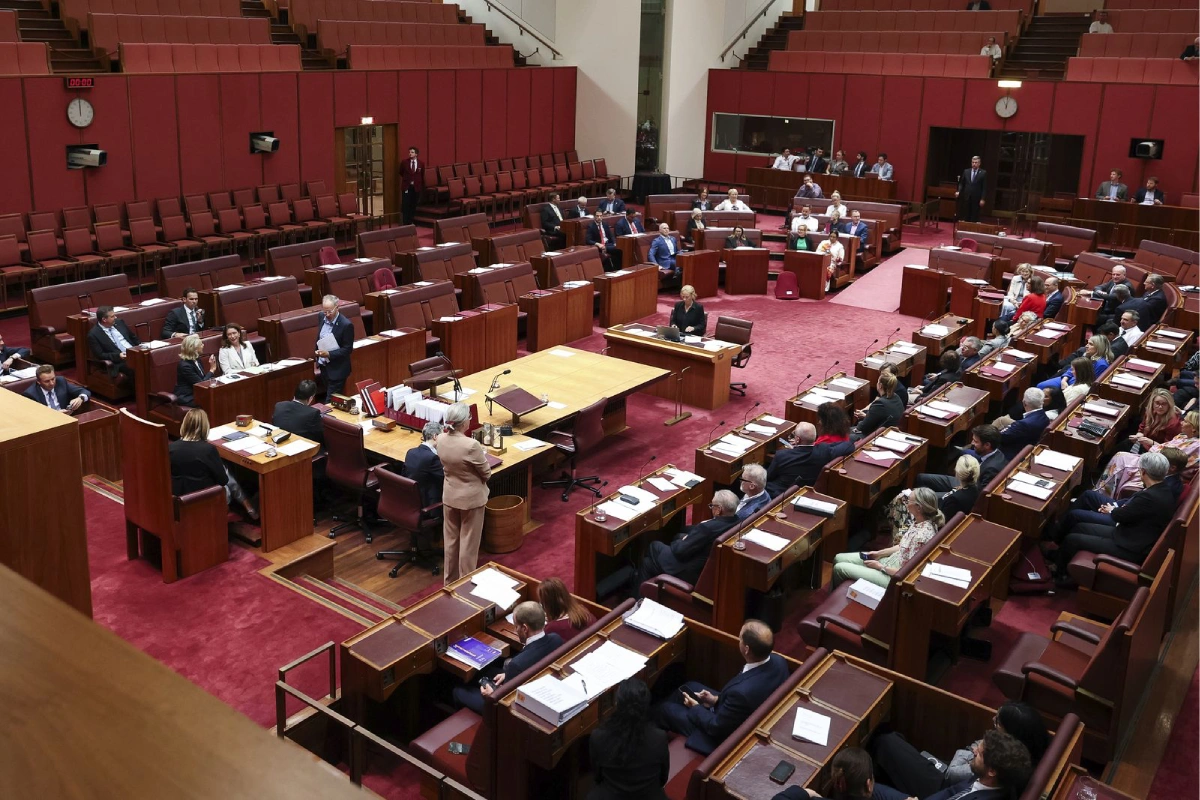
Australia’s Parliament has passed new hate speech and extremism legislation following an early recall prompted by the Bondi terror attack, marking a significant moment for national security lawmaking—and exposing fresh fractures within the Coalition.
The legislation, which passed with the support of the Labor government and the Liberal Party, expands the government’s powers to ban extremist organisations that promote hatred, cancel visas on security grounds, and strengthen penalties for religious or ideological leaders who incite violence.
However, the vote was overshadowed by a dramatic internal split, after three senior Nationals—Bridget McKenzie, Susan McDonald and Ross Cadell—crossed the floor, voting against the Coalition’s official position and defying the convention of cabinet solidarity.
Their decision has thrown their political futures into doubt, with senior Coalition figures questioning whether the trio can continue as shadow ministers after breaching long-standing party discipline.
Parliament was recalled earlier than scheduled following strong demands from Opposition Leader Sussan Ley, who argued swift legislative action was needed in response to rising antisemitism and extremist violence. The laws were drafted and passed within two sitting days, an unusually rapid process by parliamentary standards.
While the Liberal Party backed the legislation, the Nationals opposed it, citing concerns that the reforms risk undermining freedom of speech. Nationals leader David Littleproud abstained from voting in the House of Representatives and later confirmed his party could not support the bill without further scrutiny.
Despite opposing the final legislation, Mr Littleproud said the Nationals supported the intent of combating hate and extremism, insisting the split would not damage the Coalition’s broader relationship.
Labor, meanwhile, described the reforms as necessary and proportionate, arguing the new laws strike a balance between civil liberties and public safety.
The split has reignited debate over cabinet solidarity within the Coalition, particularly after the parties only recently reunited following tensions after last year’s federal election defeat.
Party rooms for both the Liberals and Nationals are meeting separately to determine whether disciplinary action—or resignations—will follow, underscoring that while the legislation has passed, its political consequences are only beginning.