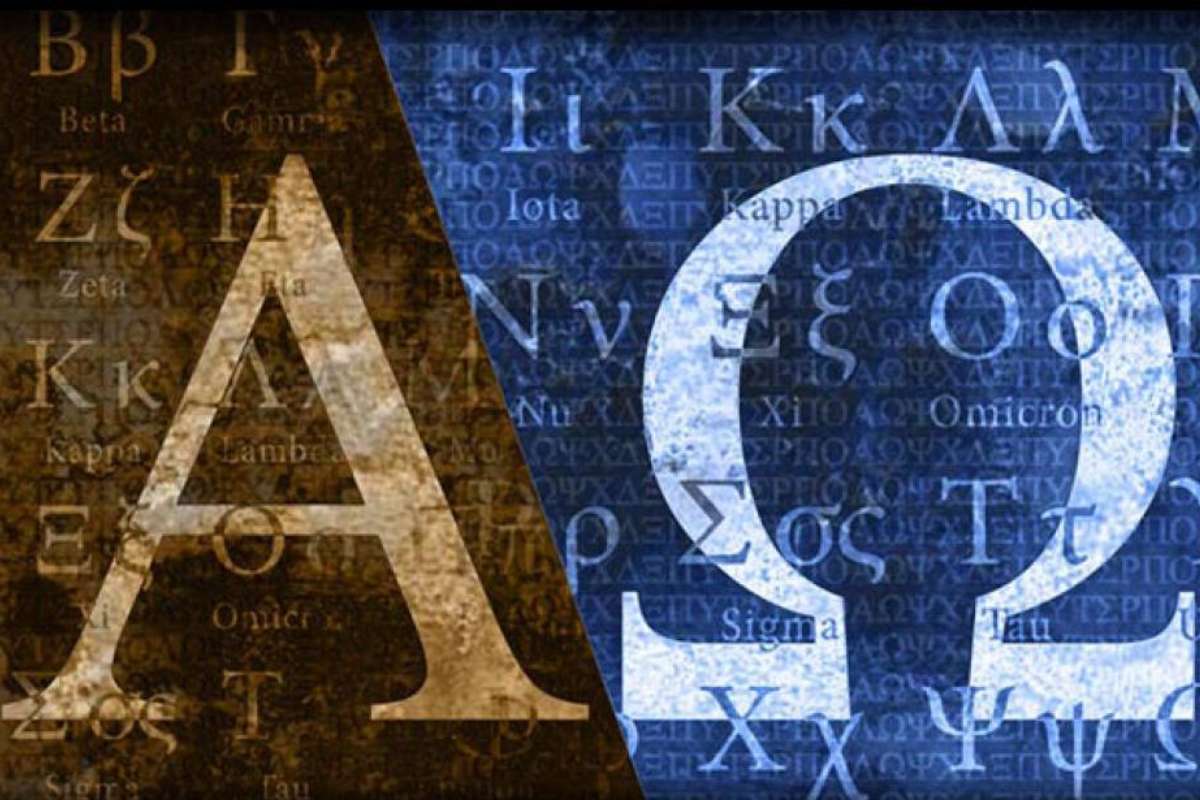
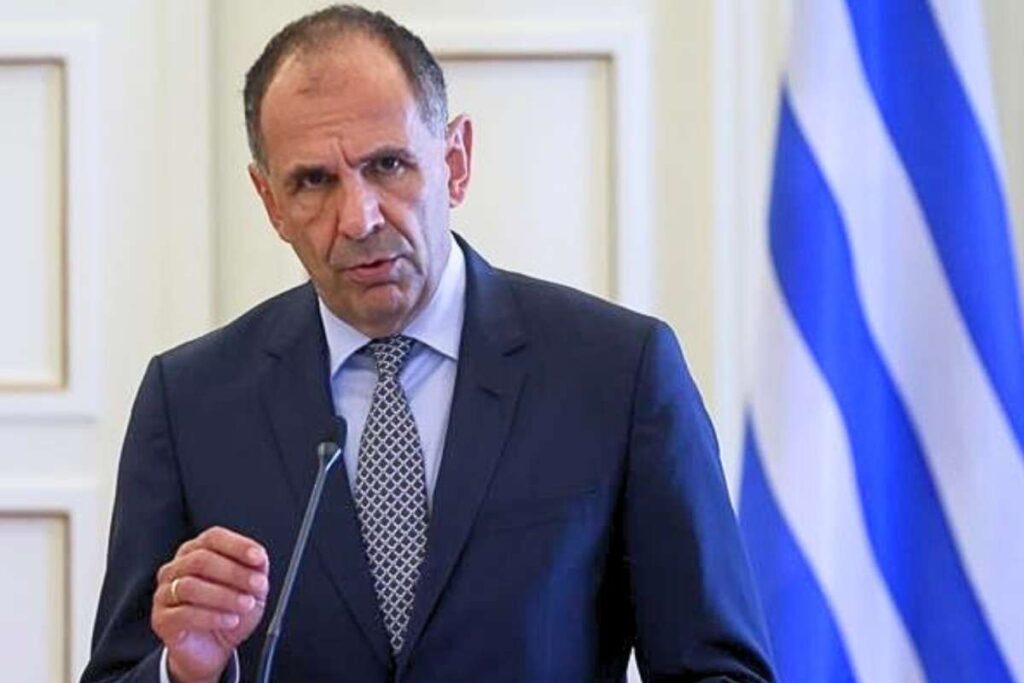
Greece officially marked World Greek Language Day for the first time on 9 February this year, with a sense of responsibility and pride, Foreign Minister Giorgos Gerapetritis said in a public message.
He noted that the decision to establish the international observance was adopted unanimously by the 90 member states of UNESCO, representing historic recognition of a language that served as a cradle of global civilisation. From now on, Greek will be celebrated worldwide on the day that also honours Greece’s national poet, Dionysios Solomos.
The Greek language spans more than 3,000 years of uninterrupted written and spoken use, during which it laid the foundations for key concepts in philosophy, democracy, law, science and technology. Greek-derived terminology continues to dominate international scientific and academic discourse, underscoring both the depth of its meaning and the universal reach of its influence.
As a vehicle of identity, knowledge, tradition and values, Greek connects every phase of Hellenic history — from Homeric epics and the philosophy of Socrates, Aristotle and Plato, through the New Testament, to the modern era of Nobel laureate poets Giorgos Seferis and Odysseas Elytis.
Greek is the means by which Greeks express both positive and negative concepts that, over time, have spread across the world and become universally understood. Words such as paradise, angel, philanthropy, harmony, symmetry, euphoria, charisma, melody and music — as well as chaos, agony, tyranny, tragedy, phobia, trauma and pandemic — now carry global meaning.
The language helps organise our ideas about the world around us — from the microcosm to the macrocosm, from atoms to planetary systems — across space and time. It enables classification into categories, periods, systems and measurements, analysed through mathematics, statistics and modern technology.
Greek encourages us to create models, challenge stereotypes and aspire to archetypes. It gifted humanity the tools of logic, analysis, synthesis, theory, strategy and foresight, allowing us to build intellectual frameworks and solve problems using both reason and imagination.
It also gives voice to emotion — passion, enthusiasm and wonder — whether we are gazing at galaxies and stars or observing cosmic phenomena such as solar eclipses.
Greek words also describe hubris and nemesis, guiding both heroes and audiences of ancient drama towards Aristotelian catharsis.
Moreover, it provides the vocabulary essential to human survival: oxygen, atmosphere, ecosystem, oceans and ecology — as well as addressing the global challenge of climate change that threatens devastation.
Even modern concepts shaping humanity’s future are expressed through Greek-derived terms, including hybrid threats, cryptocurrencies and the ethical use of artificial intelligence.
When nations seek cooperation, dialogue and diplomacy are their tools. And when persuasion is required, the classical Greek triad of logos, ethos and pathos — the pillars of rhetorical argument — remains central.
By celebrating World Greek Language Day, we honour the language that gave us not only words, but the ideas upon which our shared understanding of humanity and the world was built.
“Our language is our soul,” Gerapetritis said. “And that soul we will preserve unchanged through the centuries.”
He concluded:
“9 February is not only World Greek Language Day. It is World Greece Day.”